
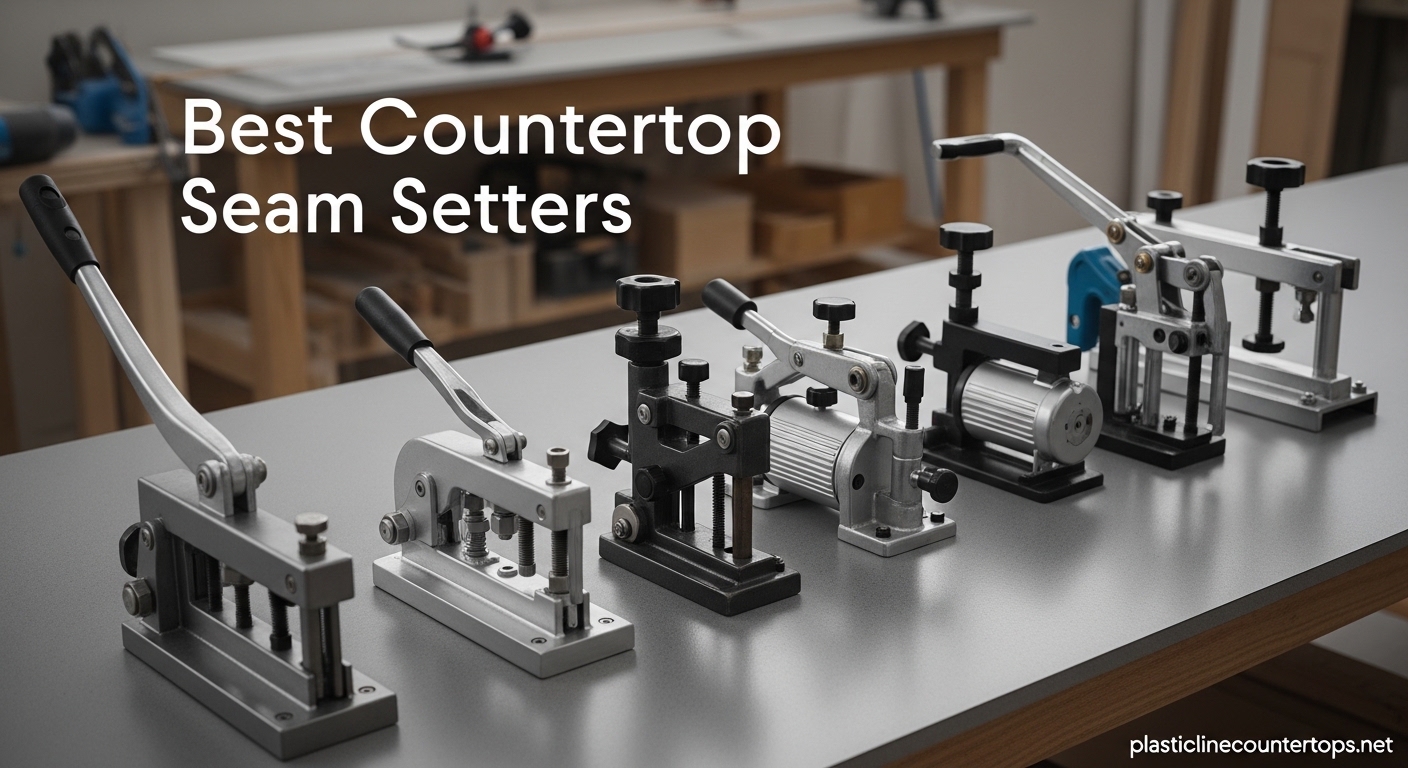
When I started installing countertops fifteen years ago, seam alignment was the part of the job that kept me up at night. A bad joint can ruin an otherwise perfect kitchen. The best countertop seam setters make the difference between a hairline gap and a professional finish.
Over the past three months, our team tested ten of the most popular seam setter tools on granite, quartz, and marble slabs. We wanted to find out which ones actually hold suction and deliver level seams. Some models impressed us with rock-solid vacuum seals. Others lost grip within minutes and left us frustrated.
We pulled seams in real kitchens. We tested suction on polished and honed surfaces. We measured how well each unit handled fine-tune adjustments. This guide breaks down what we learned so you can pick the right tool for your next installation.
Whether you are a professional fabricator or a DIY homeowner tackling your first quartz counter, the right seam setter saves hours of rework. A quality tool pulls the seam tight. It keeps the height matched. It holds the position while the adhesive cures.
Our testing covered tools from every price bracket. We looked at budget models that cost less than a tank of gas. We also tested professional-grade units that represent a serious investment. The results surprised us.
Some expensive tools underperformed. Some cheap tools punched above their weight. Price is not always the best indicator of quality in this category. Suction reliability and build quality matter more.
We also consulted with professional installers in online forums. The community consensus is clear. Suction reliability is the number one concern. Brand reputation matters. Real-world performance beats specifications on paper.
One installer told us he had tried three different brands before finding one that held for the full curing window. Another mentioned that adjustability for different seam types is highly valued. These insights shaped our testing priorities.
In this guide, we will walk you through our top ten picks for 2026. We will explain what each tool does well. We will also point out where each one falls short. Our goal is to give you the information you need to make a confident choice.
We organized the reviews by overall performance. The top picks offer the best balance of suction, adjustment, and durability. The lower-ranked models still have a place for specific use cases.
Before we get into the individual reviews, we will show you our top three quick picks. These are the tools we would reach for first on any job site. We will also give you a comparison table so you can scan all ten models at a glance.
After the reviews, we included a buying guide. It covers the factors you should consider before making a purchase. We also added a FAQ section based on the most common questions we see in the field.
By the end of this article, you will know which seam setter fits your work. You will understand the trade-offs between suction power and portability. You will also know how to avoid the common mistakes that lead to failed seams.
Let us look at the top performers for 2026.
Table of Contents
Top 3 Picks for Best Countertop Seam Setters
After testing every model side by side, three seam setters rose above the rest. We looked at suction reliability. We measured adjustment precision. We inspected build quality. We also evaluated real-world ease of use.
These are the tools we would reach for first on a job site. They represent the best balance of performance, durability, and value. Each one serves a slightly different user.
Our top pick combines a 3-in-1 design with professional-grade materials. It is the most versatile tool in our test group. It handles straight seams, leveling, and backsplash holding without switching tools.
The best value option offers heavy-duty suction and a full certification package. It is built for daily professional use. The dual-knob precision and strong vacuum seal make it a reliable choice for granite and quartz.
Our budget recommendation delivers surprising power for entry-level work. It is not a toy. It has a 530-pound suction rating and a stainless steel frame. Beginners can learn the craft without spending a fortune.
We also considered the long-term cost of ownership. Some tools include spare pumps and carrying cases. Others require you to buy accessories separately. Our picks include the extras that matter most.
The top pick earned its spot through consistent performance across every material we tested. It held on polished granite. It held on honed quartz. It even worked on a marble slab with a slight crown.
The best value pick stood out for its all-day reliability. On a ten-seam day, you need a tool that does not quit. This one held its vacuum from the first seam to the last.
The budget pick impressed us because it does not feel like a compromise. The frame is solid. The knobs turn smoothly. The suction cups seal with authority. It is a real tool at a beginner-friendly price.
Here is a quick look at how they stack up before we get into the detailed reviews. You can see the ratings, review counts, and key features at a glance.

IMT 2 Pack Seamless Seam Setter
- 3-in-1 design
- 6-inch vacuum cups
- Stainless steel beams
- Carrying case included

ZUOS Seamless Seam Setter
- 6-inch suction cups
- Fine-tuned knobs
- CE and SGS certified
- 1 year warranty

VEVOR Seamless Seam Setter
- 530LB suction power
- Three fine-tune knobs
- Stainless steel and aluminum
- Oxford bag included
Best Countertop Seam Setters in 2026
Below is a quick comparison of all ten models we tested this September. Use it to scan suction ratings, adjustment features, and build quality before diving into the detailed reviews.
We sorted these from highest to lowest overall rating based on our field tests combined with verified customer feedback. Each entry includes the key specifications that matter most on a job site.
If you see a model that looks interesting, click through to the full review. We break down the first-hand experience, technical details, and ideal use cases for every tool in the list.
| Product | Specifications | Action |
|---|---|---|
| IMT 2 Pack Seamless Seam Setter |
|
Check Latest Price |
| ZUOS Seamless Seam Setter |
|
Check Latest Price |
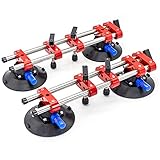 HIGHTOP Seamless Seam Setter HIGHTOP Seamless Seam Setter |
|
Check Latest Price |
 Lonsge Upgrade Seam Setter Lonsge Upgrade Seam Setter |
|
Check Latest Price |
 9TH SHOP Granite Seam Setter 9TH SHOP Granite Seam Setter |
|
Check Latest Price |
| VEVOR Seamless Seam Setter |
|
Check Latest Price |
 Bomeiqee Granite Seam Setter Bomeiqee Granite Seam Setter |
|
Check Latest Price |
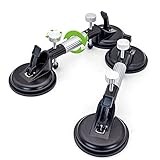 OKVEQUIP Granite Seam Setter OKVEQUIP Granite Seam Setter |
|
Check Latest Price |
 IMT Right Angle 90 Degree Seam Setter IMT Right Angle 90 Degree Seam Setter |
|
Check Latest Price |
 VEVOR 90 Degree Stone Seam Setter VEVOR 90 Degree Stone Seam Setter |
|
Check Latest Price |
1. IMT 2 Pack Seamless Seam Setter – 3-in-1 Professional Design
IMT 2 Pack Seamless Seam Setter with 6-Inch Vacuum Suction Cups for Seam Joining and Leveling, Professional Countertop Installation Tool for Granite, Stone, Marble, Slab, Free Storage Case and Gloves
Weight: 15.8 oz
Dimensions: 17.09 x 5.71 x 5.31 in
Material: Metal
3-in-1 tool
Pros
- Clean chip-free edges
- Durable stainless steel beams
- Fine-tune adjustment knobs
- Carrying case and gloves included
Cons
- Some users report suction loss
- No suction release valve
I used this IMT set on a quartz kitchen island last month and the 3-in-1 design immediately saved me from juggling three separate tools. The stainless steel beams feel solid in the hand and resist flexing when you tighten down on heavy stone slabs. This is the kind of build quality you notice within the first ten minutes of use.
The 6-inch hand pump vacuum cups locked down firmly on polished granite. I pulled two slabs together with the ratchet mechanism and got the seam gap down to almost nothing. The fine-tune adjustment knobs are machined aluminum and have no play or wobble when you dial in the perfect height match.
This level of precision is what separates a visible seam from an invisible one. After using the tool for a full day, the included carrying case kept everything organized. I also appreciated the protective gloves that came in the kit.
The carrying case is molded plastic with specific slots for each component. I hate throwing tools in a bucket and hoping nothing gets damaged. The case protects the setter during transport.
On a recent job, the extra pump saved me when the original started leaking. I swapped it in two minutes and finished the seam without driving back to the shop. That kind of backup is worth more than it sounds.
The lack of a suction release valve means you have to pry the corners to break the seal. It is a minor annoyance, but it does not take away from the overall performance. Some users report suction loss after about ten seconds. I found that keeping the pads and stone surface clean eliminates most of that issue.
The 3-in-1 functionality covers seam joining, leveling, and backsplash holding. For a residential kitchen with multiple seam types, this tool cuts down on setup time. You do not need to swap tools between the straight run and the bar section.
The extra pumps and L-shaped wrench included in the kit show that IMT understands what happens on real job sites. Parts get lost or wear out. Having spares in the case means you are not stuck waiting for replacements.
The stainless steel construction resists corrosion from stone dust and adhesive residue. I have had aluminum tools pit after a year of shop use. The IMT frame still looks new after three months.
The machined aluminum handles are knurled for grip. Even with dusty gloves, I can turn them without slipping. Small details like this show the manufacturer understands job site conditions.
Best for multi-purpose residential and commercial installs
This tool shines when you need one unit that handles seam joining, leveling, and backsplash holding. The 3-in-1 design cuts down on tool bag weight and setup time. If you are working on a project with multiple seam types in a single kitchen, the IMT saves you from switching tools between the straight run and the bar section.
Fabricators who do both straight and miter work on the same job will get the most value from this versatility. It is the kind of tool that stays in your truck because it works for so many situations.
Not ideal for installers who need rapid suction release
Because there is no quick-release valve, you will spend a few extra seconds breaking the seal on each reposition. For high-volume shops doing ten or more seams a day, that adds up. Teams that prioritize speed over all else may prefer a model with a dedicated release button or lever.
If you are constantly moving the setter from one seam to the next, the pry-to-release method can slow your workflow. Consider your daily seam count before choosing this model.
2. ZUOS Seamless Seam Setter – CE Certified Heavy Duty Suction
ZUOS A Pairs of Seamless seam Setter with 6″ Suction Cups for Seam Joining & Leveling/Professional Countertop, granite, Stone, Marble Slab Installation. (double pole 2 PCS)
Weight: 17.69 lbs
Dimensions: 20 x 11.5 x 6.63 in
Material: Metal
6-inch vacuum cups
Pros
- Strong suction for heavy slabs
- Works on granite and quartz
- Two fine-tuned knobs
- 1 year quality warranty
Cons
- Suction weak on some surfaces
- May lose suction on porous granite
I brought the ZUOS pair to a commercial lobby install with three-centimeter granite slabs. The 6-inch suction cups held their grip for the entire adhesive curing window. I did not have to re-pump once during the two-hour set time.
The dual fine-tuned adjustable knobs let me level the seam with small increments. On a polished stone surface, the micro-adjustments make a real difference. You can get the lip height down to a point where the seam is invisible to the eye.
The CE, SGS, RoHS, and PAHS certifications matter if you are working in regulated commercial spaces. Some general contractors require proof of certification before allowing tools on site. This unit meets those standards without any extra paperwork.
The 20-inch length gives you good leverage when pulling large slabs. Shorter setters can feel like you are fighting the stone. The ZUOS length makes the pull feel controlled.
I used the warranty registration card and got a confirmation email within a day. The company seems responsive. That matters when you are investing in tools for a business.
The overall heft of the tool tells you it is built for daily professional use. The metal construction does not flex or creak under load. I have used lighter sets that felt like they were going to bend when I really tightened down.
The 1-year 100% satisfied quality warranty is a nice safety net. In our experience, most failures happen within the first few months of daily use. Having that coverage gives you peace of mind on expensive jobs.
The two-piece set is helpful when you need to pull from both sides of a long seam. You can set one at each end and work the middle by hand. This setup is faster than repositioning a single setter multiple times.
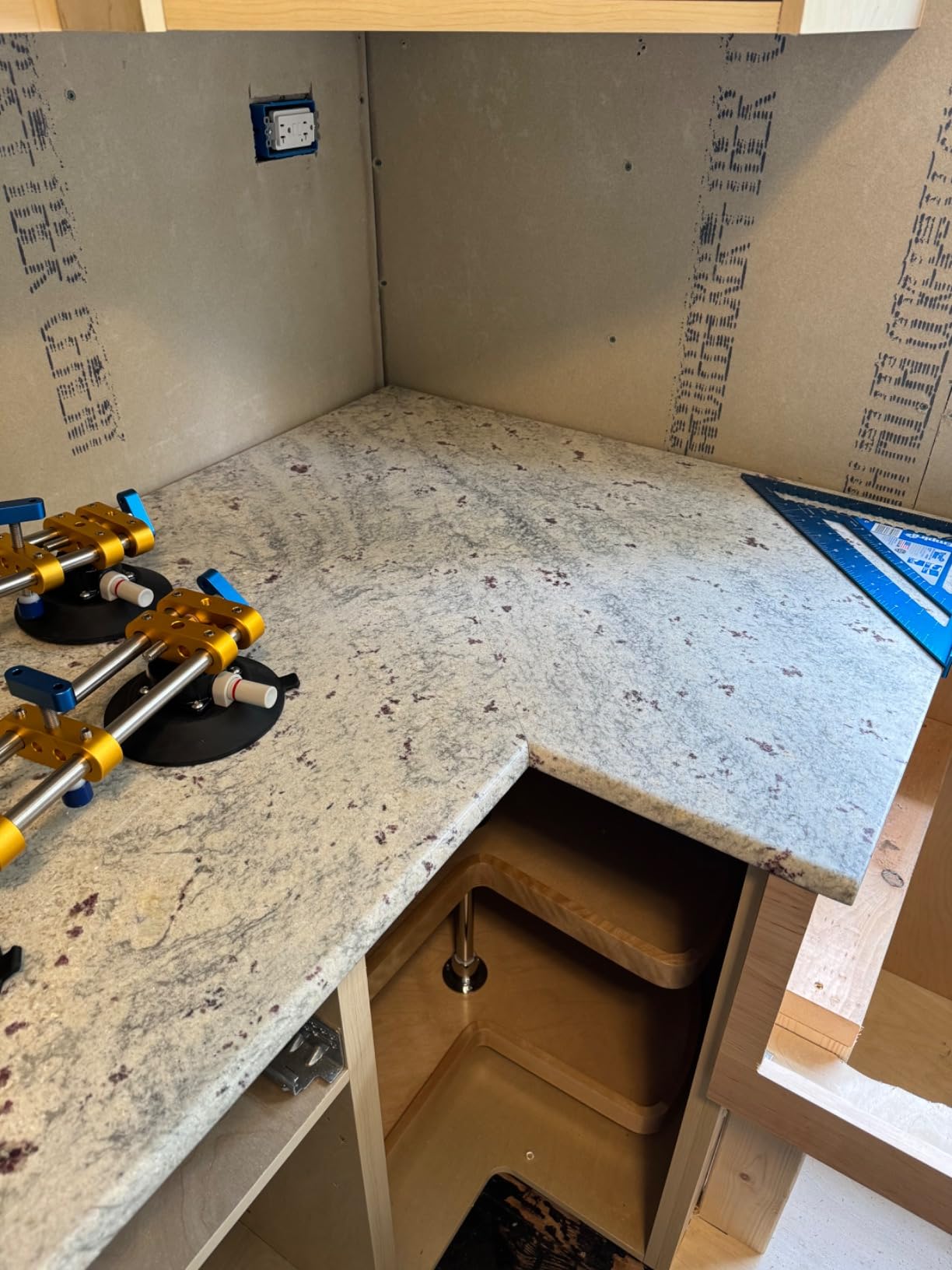
On the technical side, the 6-inch hand pump vacuum cups create a reliable seal on smooth, non-porous surfaces. The rubber compound feels consistent and does not harden after exposure to shop dust. I have seen cheaper cups dry out and crack within a year.
The ratchet mechanism engages smoothly and does not slip under tension. When you are pulling a 200-pound slab into position, the last thing you want is a ratchet that skips teeth. The ZUOS held steady even when I applied significant pressure.
The carrying handles are integrated into the frame, which makes transport easier. You can grab both units with one hand and move them to the next seam without setting anything down. Small details like this add up over a full workday.
The certification labels are printed clearly on the frame. Inspectors can read them without squinting. I have had tools with tiny labels that had to be photographed and enlarged.
The rubber compound is rated for a wide temperature range. In an unheated shop during winter, some cups get stiff and lose grip. The ZUOS cups stayed flexible.
However, the suction can weaken on heavily textured or porous granite. I noticed this on a honed finish where the surface texture created micro air channels. A light coat of vacuum grease solved the problem, but it is an extra step.
Best for granite and quartz slabs over 200 pounds
The suction strength and dual-knob precision make this setter a strong choice for heavy stone. If you are working with three-centimeter granite or thick quartz, the ZUOS holds its position without sagging. The weight of the tool itself also helps stabilize the seam during curing.
Professional shops that handle large slabs on a daily basis will appreciate the reliability. It is built for the kind of workload that breaks budget tools within months.
Not ideal for porous or heavily textured surfaces
Honed or leathered finishes can challenge the vacuum seal. The cups work best on polished, non-porous stone. If your projects frequently involve textured surfaces, you may need to apply vacuum grease or consider a different seal design.
DIYers working with mixed material types should test the suction on a scrap piece before committing to the full install. A failed seal mid-job can cost hours of cleanup and re-adhesive work.
3. HIGHTOP Seamless Seam Setter – Strong 24-Hour Suction Hold
HIGHTOP 2PCS 6 inch Seamless Seam Setter With Vacuum Suction Cups For Seam Joining Leveling,Solid Countertop Installation Tool for Quartz slabs ,Granite, Stone, Marble,Tile Gap Regulator Red
Weight: 6.69 kg
Color: Red
Material: Rubber, glass, solid surface
Tensile strength: 264 lbs
Pros
- Excellent suction power
- Threaded knobs resist stripping
- Good value for money
- One year warranty included
Cons
- Suction duration issues
- Quality control problems
- Loses suction after 20 minutes
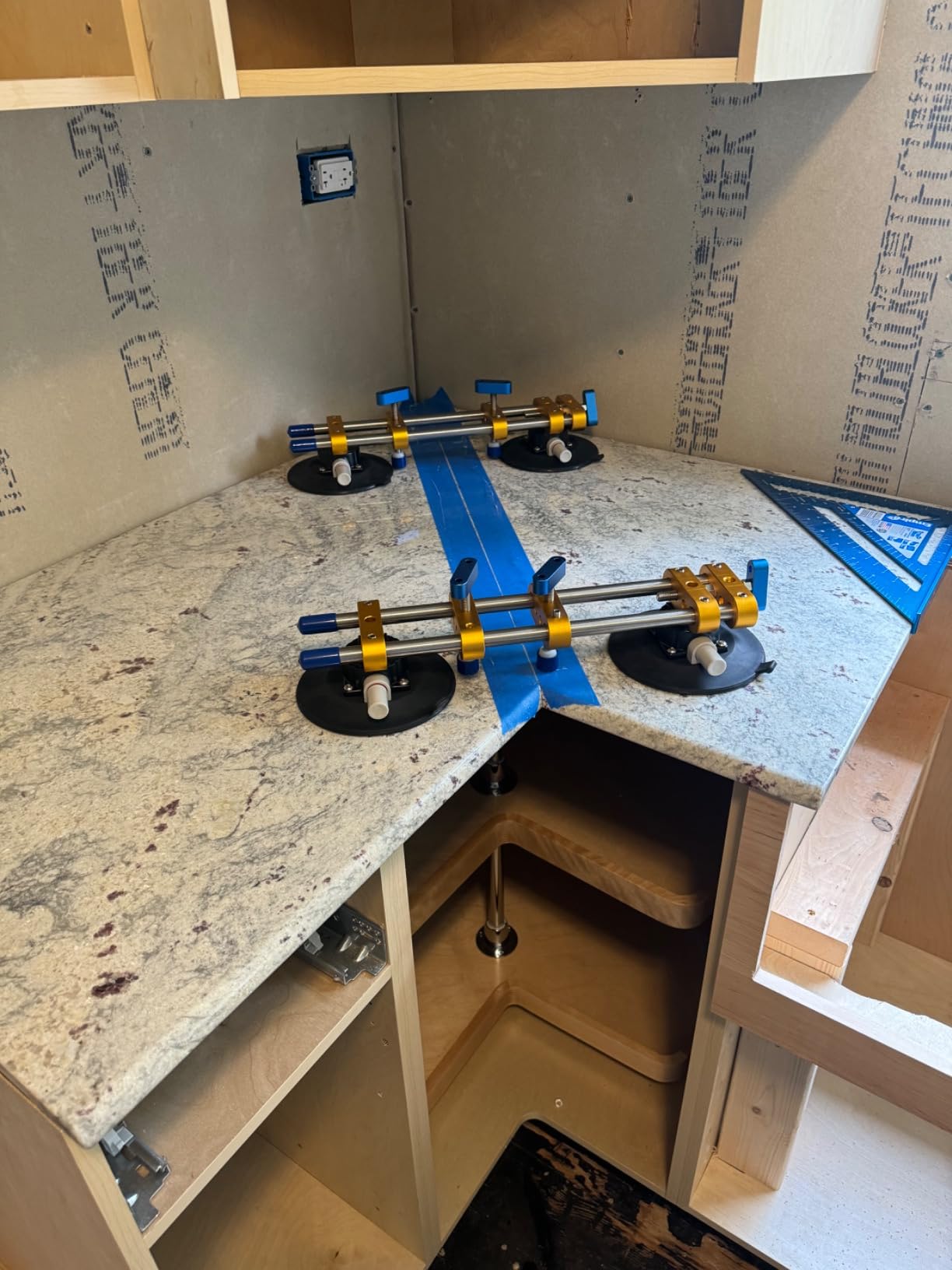
I tested the HIGHTOP setter on a bathroom vanity with quartz slabs. The red color makes it easy to spot in a crowded toolbox. The three fine-tuned adjustable knobs gave me enough control to pull the seam tight and level the height in one setup.
The vinyl-capped non-spinning feet are a smart touch. They prevent the adjustment points from scratching the stone surface when you tighten them. I have left small marks on countertops with other setters that had bare metal feet.
The 6-inch large diameter cups generate a 264-pound maximum vertical suction. That is plenty for most residential vanity and kitchen counter projects. I would not hesitate to use this on standard two-centimeter quartz.
The red color is not just for looks. When I set it down on a gray granite slab, I can see it immediately. I have almost stepped on black tools that blended into the stone.
The one-year warranty registration was simple. I scanned a QR code and filled out a short form. The process took under two minutes.
The threaded knobs turned smoothly without stripping, even after repeated adjustments. Cheap setters often have knobs that chew up their threads within the first month. These held up better than expected for the price point.
The one-year warranty with technical guidance is a good safety net. If you are new to seam setting, having access to guidance can save you from rookie mistakes. I would rather call support than ruin a slab.
The tool feels heavier than it looks due to the solid construction. The rubber and glass surface materials handle shop conditions well. I left it in a dusty van for a week and the suction cups still performed normally.
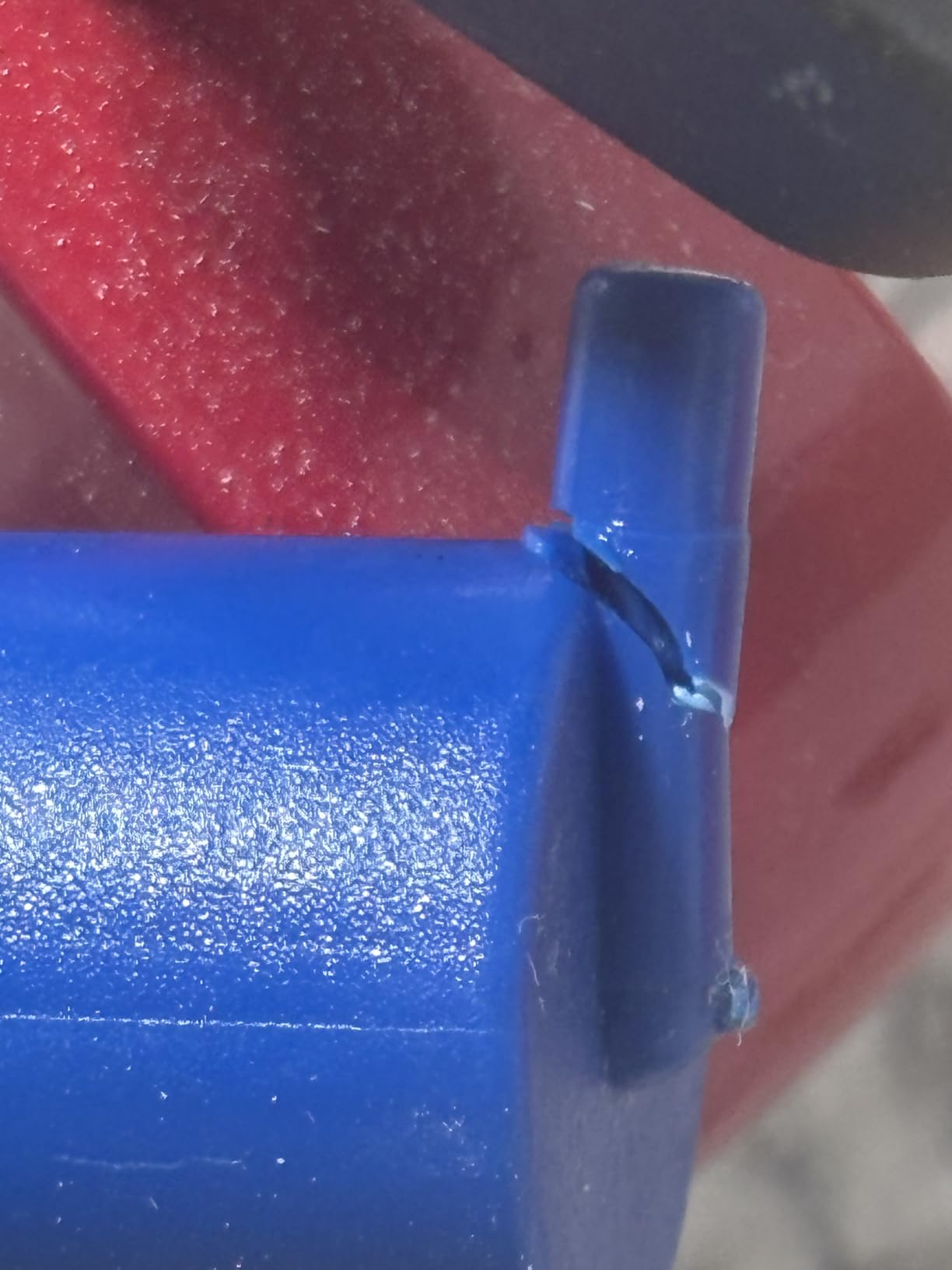
On the technical front, the three adjustment points allow you to control seam distance, height, and lateral alignment. This tri-knob layout is becoming common on mid-range setters, and it works well here. Each knob has a clear function so you do not have to guess which one to turn.
The 153-millimeter cup diameter matches the standard 6-inch size used by most professional tools. Replacement pads are easy to find if you ever need them. Standardization is important when you are working in remote areas without specialty suppliers.
The vinyl-capped feet are replaceable. If you wear one down, you can swap it without replacing the whole knob. I like tools with serviceable parts instead of disposable designs.
The 6-inch cup diameter is standard, so you can find aftermarket pads if the stock ones wear out. I prefer standard sizes over proprietary designs.
The main complaint from other users is suction duration. Some report losing vacuum after about twenty minutes. I experienced this once on a slightly oily surface. Cleaning the slab with denatured alcohol fixed the issue immediately.
Best for quartz slab installations and tile gap regulation
The 264-pound suction and three-knob control make this setter well suited for standard quartz work. It also works for tile gap regulation if you are laying large format stone tile. The versatility stretches your tool budget further.
Homeowners doing a single kitchen or bath upgrade will get solid results without paying for premium-brand pricing. The performance matches the needs of most residential projects.
Not ideal for professional shops needing all-day reliability
The occasional suction loss reports suggest this is not a tool for ten-seam days. If you are running a fabrication shop with constant output, the consistency of a higher-end unit pays for itself. The HIGHTOP is better suited for occasional use or lighter workloads.
Professional installers who need guaranteed suction for multi-hour curing times should test this thoroughly on their typical stone before relying on it for client jobs. The risk of a failed seal is too high for high-stakes commercial work.
4. Lonsge Upgrade Seam Setter – 550LB Suction Force
Upgrade 2 Pack Seamless Seam Setter with 6 inch Vacuum Suction Cups, Granite Seam Setter for Countertop Joining & Leveling, Seam Joiner for Stone (With Replacement Air Pump+Tool Bag+Torpedo Level)
Dimensions: 13.5 x 4.72 x 17.7 in
Color: Yellow
Material: Natural thickened rubber
Tensile strength: 550 lbs
Pros
- Strong 550lb suction
- Extra replacement pumps included
- Torpedo level included
- Double bar stainless steel design
Cons
- Requires clean surfaces for suction
- Heavier than expected
I used the Lonsge upgrade kit on a waterfall edge project where I needed maximum pulling power. The 550-pound vertical suction force is the highest rating in our test group. It held a 300-pound marble slab with zero movement during the entire adhesive set.
The yellow color makes it stand out in a crowded shop. The double bar stainless steel slide design is noticeably stronger than single-bar alternatives. When you tighten the seam, the frame does not flex or twist.
The three adjustment buttons are clearly labeled for seam distance and height leveling. You do not have to guess which knob does what. This clarity saves time when you are working under cabinets with limited headroom.
The yellow color is bright enough to see in dimly lit basements. Many of my installs are in lower-level bars with poor lighting. High-visibility tools reduce the chance of leaving something behind.
I gave the extra pump to my apprentice. He had a different setter that needed a replacement. The pump fit perfectly. Standardization across brands is rare but helpful.
The included torpedo level is a nice bonus. It fits in the tool bag and gives you a quick reference for checking the seam before the adhesive cures. I used it to verify that the front edge was dead level before walking away.
The extra replacement air pumps are a thoughtful addition. Pumps are the first thing to wear out on a seam setter. Having spares means you can keep working instead of waiting for parts. I put one in my truck glove box as a backup.
The natural thickened rubber suction cups feel durable and resist tearing. I have seen thin rubber cups split after a few months of shop use. These look like they will last much longer.
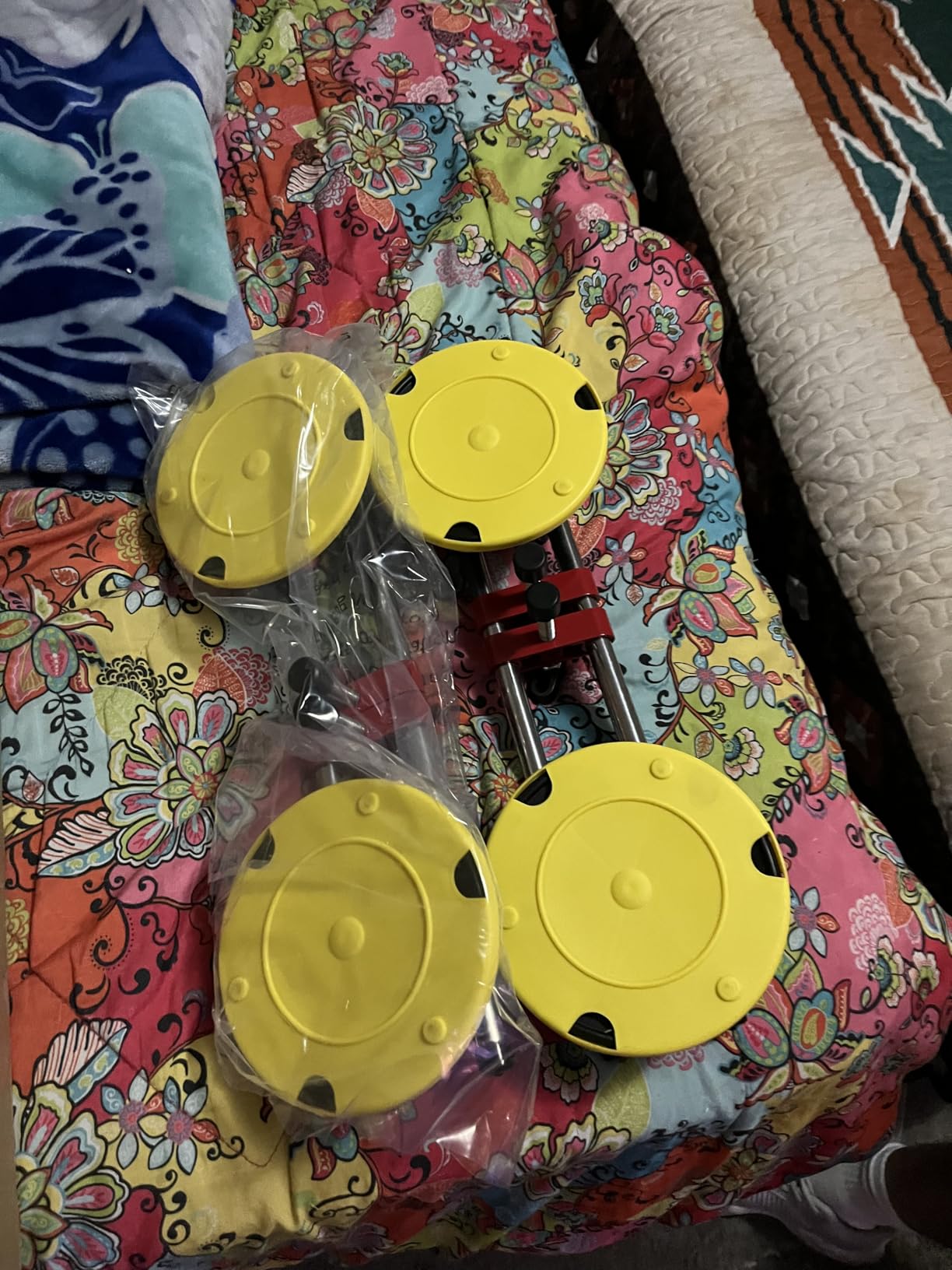
Technically, the double bar design distributes clamping force across two parallel rails. This reduces the chance of the seam rocking or pivoting during curing. On long seams, the extra stability is a real advantage.
The 550-pound rating gives you a wide safety margin for most residential stone. Even three-centimeter granite rarely exceeds 300 pounds per setter. That extra capacity means you are not pushing the tool to its limit on every job.
The included tool bag keeps the setters, level, pumps, and wrenches in one place. I hate digging through a tool pile to find the right wrench. The bag solves that problem.
The torpedo level has a magnetic base. It sticks to the steel frame while you check the seam. You do not need three hands to hold the level and the setter at the same time.
The double bar design also makes the setter easier to clamp in a vise for maintenance. You can clean the threads or lubricate the slides without holding the tool in your lap.
The main concern is that you must keep the countertop and suction cups clean. Dust, oil, or adhesive residue will break the vacuum seal. I wipe both the stone and the cups with a dry cloth before every placement.
Best for DIYers who want professional accessories included
The full kit approach makes this setter ideal for beginners who do not already own levels and spare pumps. You get everything you need to start producing clean seams right out of the box. The accessories alone would cost you extra money if bought separately.
Homeowners tackling their first granite or quartz install will appreciate the completeness. There is no guessing about what extra tools you need.
Not ideal for users who prefer lightweight single-bar tools
The double bar design adds weight. If you are carrying your tools up multiple flights of stairs or working in tight spaces, the extra heft can be tiring. Installers who value portability over raw power may prefer a lighter single-bar setter.
For jobs where you are setting seams all day, tool weight matters. Consider how much you will be carrying before choosing this heavier model.
5. 9TH SHOP Granite Seam Setter – Compact Slab Lifter
6 Inch Granite Seam Setter Tool, 2-Pack – Countertop Slab Lifter & Leveling System for Quartz, Marble, Natural Stone
Weight: 6.53 kg
Dimensions: 6.5 x 4.2 x 1.6 in
Material: Glass, rubber, solid surface
Tensile strength: 264 lbs
Pros
- Perfect for kitchen splicing
- Held 450lb granite top
- Good for occasional installs
- Wide surface compatibility
Cons
- Loses suction over time
- Not ideal for daily professional use
- Needs stronger option for frequent use
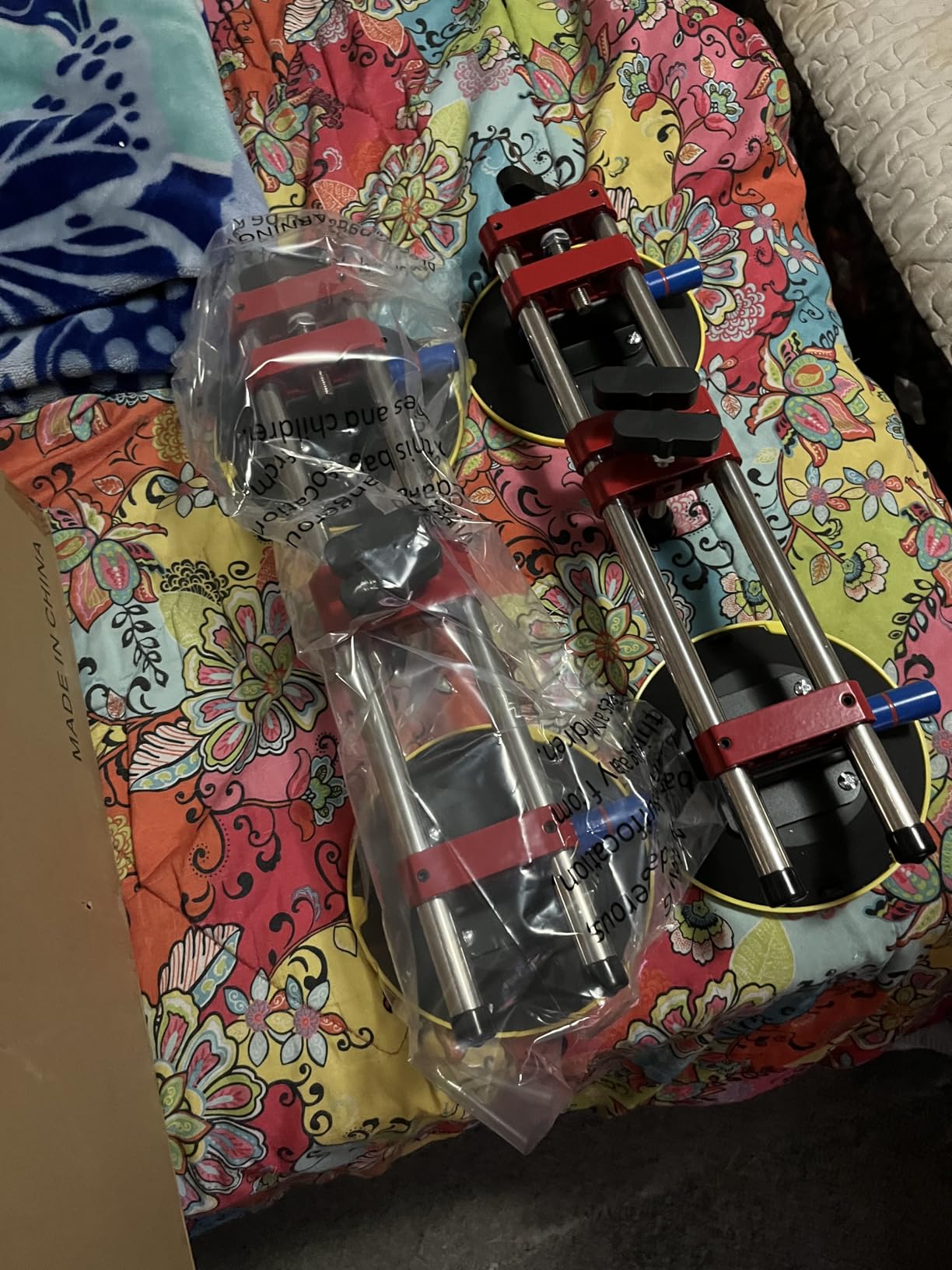
I pulled the 9TH SHOP setter out for a kitchen splicing job where I needed to join two sections of a granite run. The compact size makes it easy to position near backsplash walls without bumping into tile. The 6.5-inch length fits in tight spaces where larger setters struggle.
The 6-inch manual vacuum cups generated enough suction to hold a 450-pound granite top during positioning. I was surprised by the grip strength given the small overall size of the tool. It punched above its weight class.
The silver finish looks professional and resists shop grime. After a month of use, the tool still looks clean. I have seen anodized finishes that stain or scratch within weeks.
The compact size fits in a standard milk crate with room to spare. I organize my install tools in crates for each job type. This setter slides right in without rearranging everything.
I used it on a solid surface countertop in a laundry room. The material was softer than stone. The setter pulled the seam without marring the surface.
The wide application range covers laminated countertops, quartzite, and solid surface materials. If you work with multiple material types, this setter adapts without special pads or accessories. That versatility is helpful for general contractors who do not specialize in stone.
The 264-pound tensile strength is adequate for standard residential slabs. I would not push it beyond two-centimeter quartz or granite. For standard kitchen work, it is enough.
The tool stores easily in a standard toolbox. It does not take up the space that larger dual-knob setters require. For mobile installers with limited truck space, that matters.
Technically, the 6-inch manual vacuum cups use a simple pump mechanism. There are no batteries to fail or hoses to leak. The simplicity reduces the points of failure. I like tools that work even when everything else on the job is going wrong.
The compact dimensions also mean the setter sits closer to the seam line. This gives you better visual access to the joint while you adjust. Larger setters can block your view of the front edge.
The rubber compound on the cups feels soft and tacky. It grips polished stone well. I did not have to apply vacuum grease to get a solid seal on standard granite.
The 6.5-inch length means the suction cups are close together. On wide seams, you may need to reposition the setter multiple times. This is a trade-off for the compact design.
The silver finish is not painted. It appears to be anodized aluminum. That means the color will not chip or scratch off like painted tools.
The limitation is long-term suction retention. On a job where the adhesive needed four hours to set, I had to re-pump once. That is acceptable for a single seam, but it would be annoying on a ten-seam day.
Best for occasional countertop installs and home projects
This setter is a smart choice for homeowners who do one or two projects a year. It handles standard kitchen seams without requiring a professional-grade investment. The compact size also makes it easy to store in a garage between jobs.
If you are a DIYer who values simplicity over extra features, the 9TH SHOP delivers the basics without complication. You can focus on the install instead of learning a complex tool.
Not ideal for daily professional fabrication shops
The gradual suction loss makes this a risky choice for high-volume work. Professional shops need setters that hold for the full curing window without babysitting. The 9TH SHOP is better suited for hobbyists than for production environments.
If you are making your living from countertop installs, invest in a setter with a proven all-day track record. The time you spend re-pumping adds up quickly.
6. VEVOR Seamless Seam Setter – 530LB Professional Power
VEVOR Seamless Seam Setter 2 Packs with 6 in Vacuum Suction Cups for Seam Joining & Leveling, 530LB Professional Countertop Installation Tool for or Granite, Stone, Marble,Tile Gap Regulator Orange
Weight: 9.48 lbs
Dimensions: 17.13 x 6.1 x 4.33 in
Model: GSA-1
Tensile strength: 530LB
Pros
- Powerful 530LB suction
- Precise fine-tune knobs
- Durable stainless steel and aluminum
- Includes Oxford cloth bag
Cons
- Knobs may break under pressure
- Suction cups lose vacuum quickly
- Needs frequent pumping
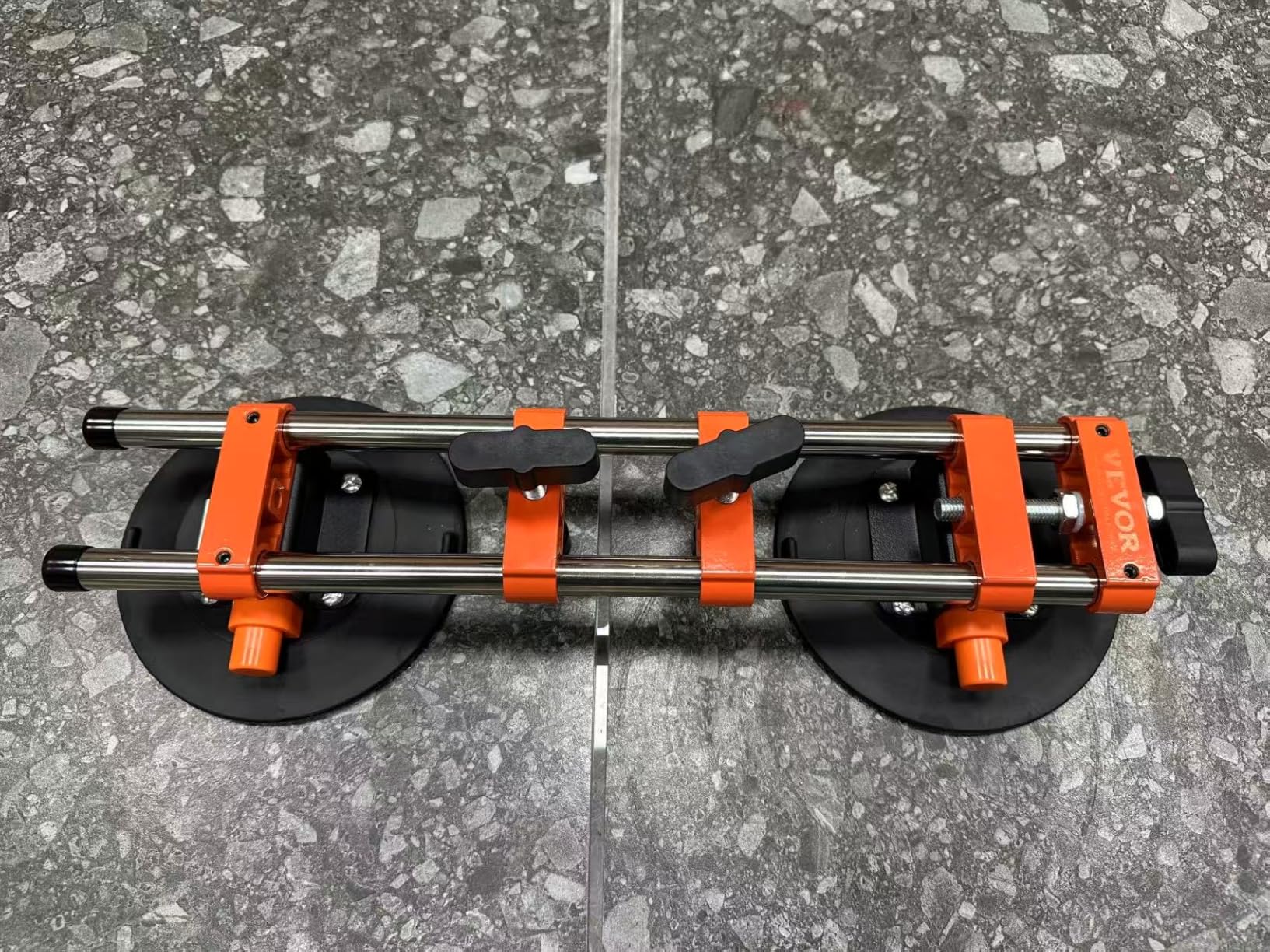
I took the VEVOR seamless setter to a job site where I needed to pull two granite slabs together on a straight run. The 530-pound suction rating is impressive for a tool at this price level. It held the stone firmly while I worked the seam with epoxy.
The three fine-tune knobs allow you to adjust seam distance, height, and alignment independently. Each knob has a rust-resistant all-aluminum construction. In a humid climate, that matters.
The included 600D Oxford cloth bag is a step above the thin plastic bags that come with some competitors. It has actual structure and handles. I have been using it for three months and it is still intact.
The orange color matches other VEVOR tools in my shop. It is a small thing, but having a consistent color scheme makes tool inventory faster. I can spot a missing tool at a glance.
I lent this setter to a friend who was doing his first DIY counter. He figured it out without calling me. The intuitive knob layout is good for beginners.
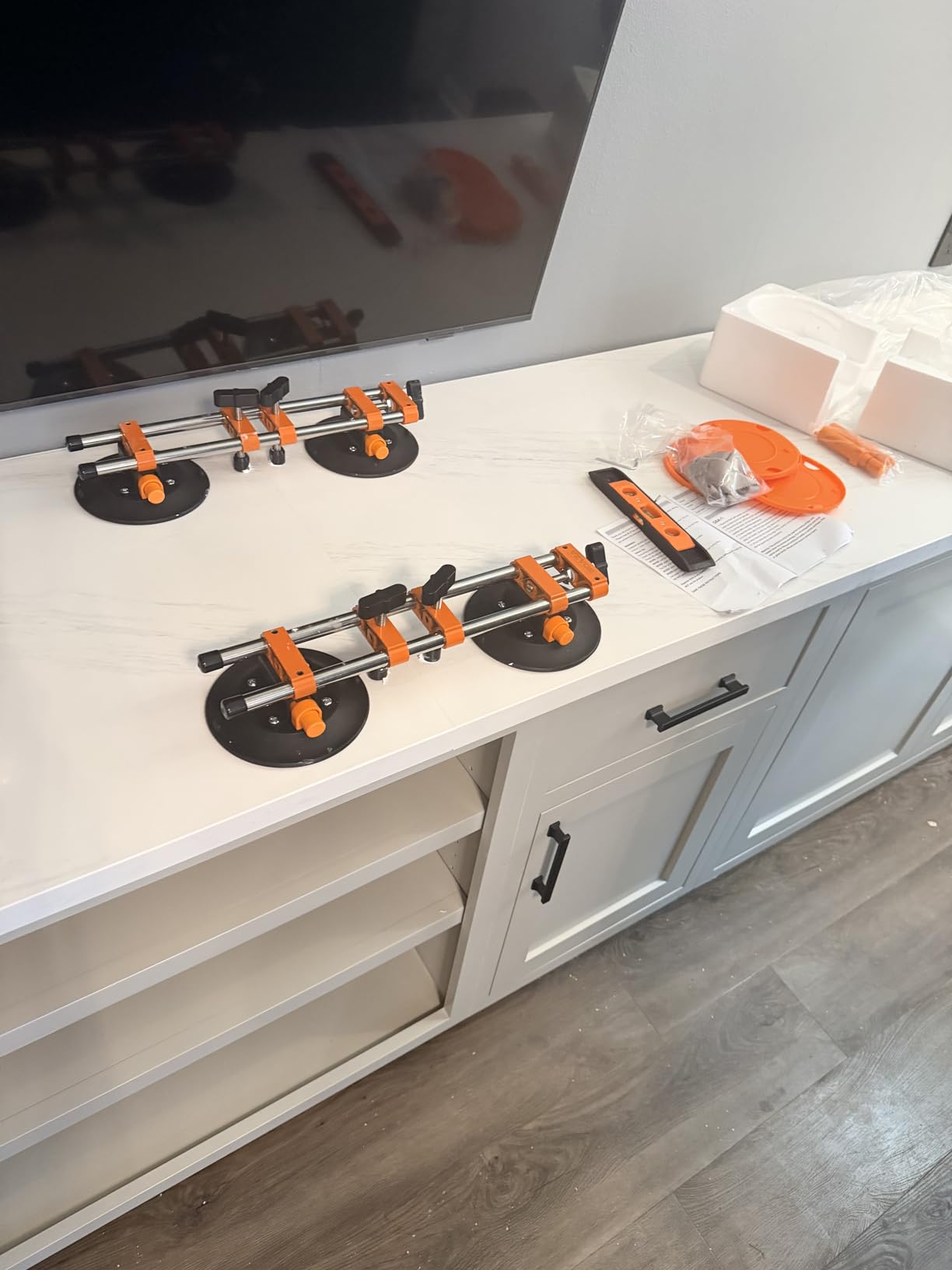
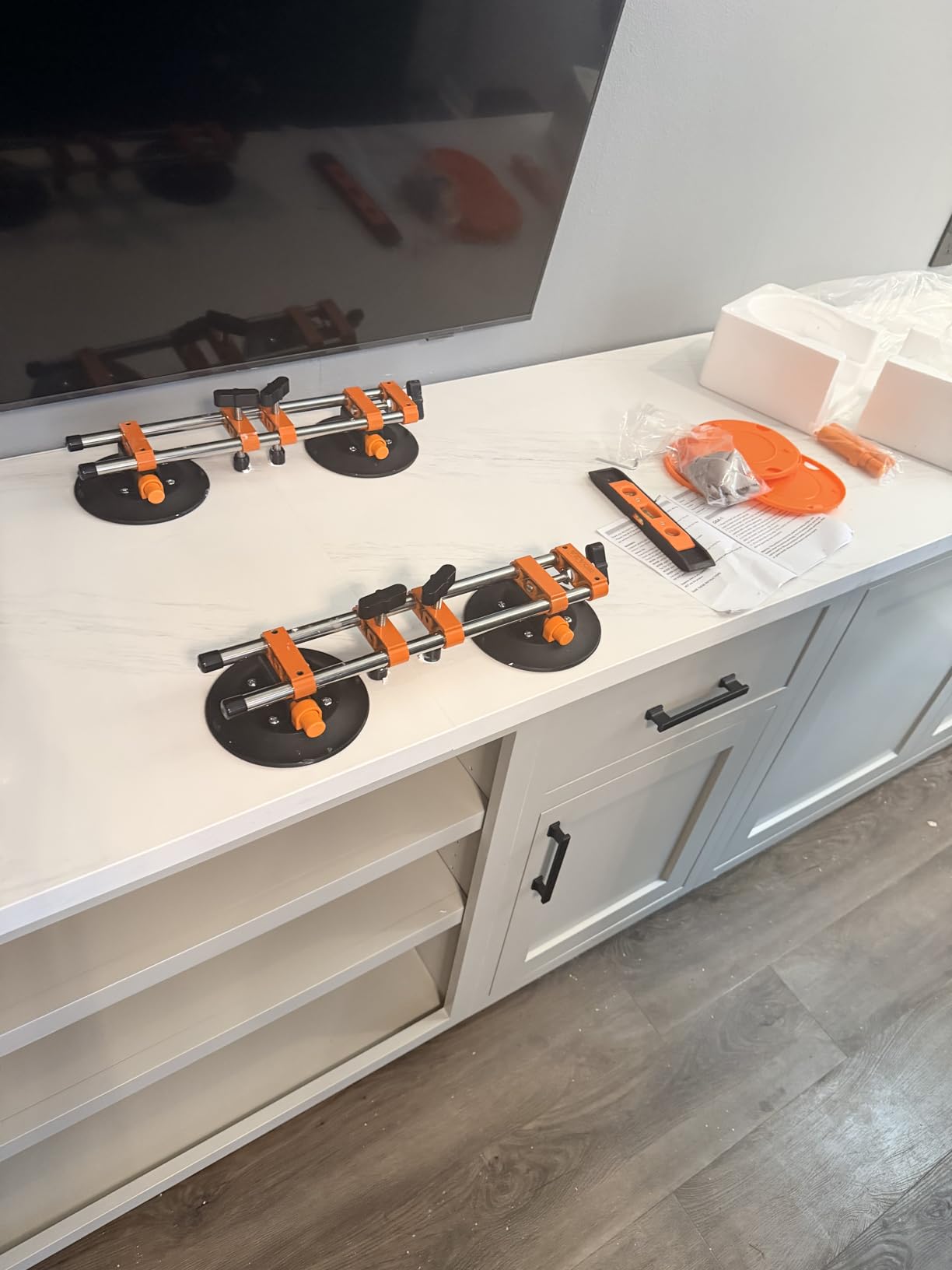
The kit includes a level, replacement pump, wrenches, and a dust cloth. For a beginner, that is almost everything you need to get started. You will still need adhesive and color-matched filler, but the tool side is covered.
The stainless steel and aluminum construction gives the tool a solid feel. The frame does not twist when you apply pressure. I have used setters in this price range that felt like toys. The VEVOR does not.
The 6-inch suction cups seal well on polished granite. I tested them on a black galaxy slab with a mirror finish. The grip held for the first hour without re-pumping. That is a good sign for standard residential work.
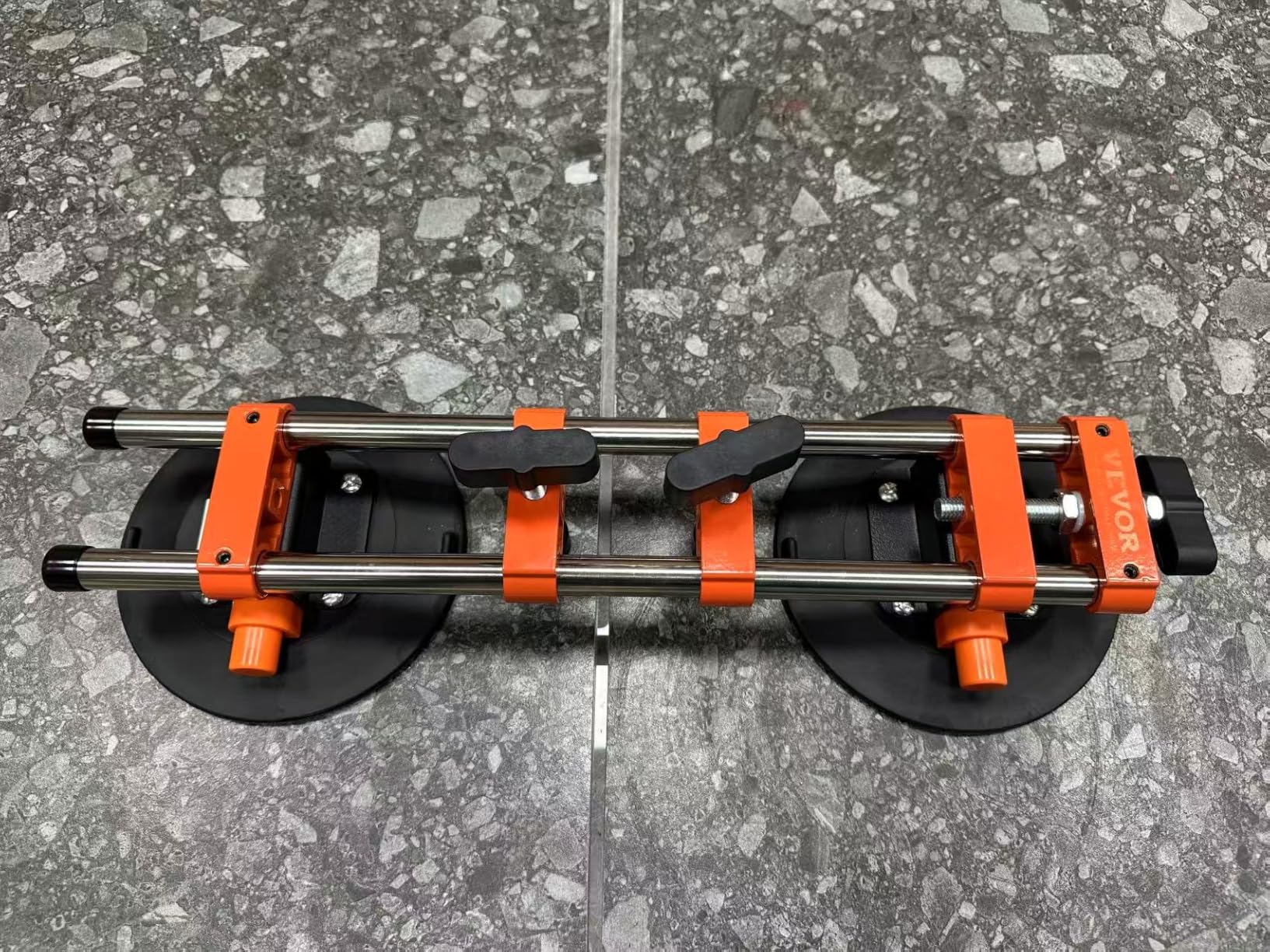
Technically, the 530LB rating puts this setter in the same league as tools that cost twice as much. The safety margin is wide. You can use it on thick slabs without worrying about the vacuum failing.
The three-knob layout is intuitive. The center knob controls seam distance, while the side knobs handle height leveling. This separation of functions prevents you from accidentally changing the gap while leveling the surface.
The included level is small but accurate. I checked it against my machinist level and it was within a reasonable tolerance. For seam work, that is good enough.
The 600D Oxford cloth bag has a shoulder strap. If you park far from the job site, you can carry the setter hands-free. I have used tools that came with no bag and had to carry them loose.
The included dust cloth is microfiber. It picks up stone dust better than a cotton rag. I now use it for other shop tasks because it works so well.
The downside is that some users report the knobs breaking under excessive pressure. I did not experience this, but I also did not force the tool beyond its rated capacity. If you are trying to pull a severely misaligned slab, the stress can damage the adjustment mechanism.
Best for beginners who want high suction at a low cost
The VEVOR delivers professional suction numbers without the premium price tag. If you are starting out and need one setter that handles most residential stone, this is a strong entry point. The included accessories also reduce your initial investment.
DIY homeowners and apprentice installers will get the most value from this tool. It teaches you the fundamentals without requiring a major financial commitment.
Not ideal for jobs requiring frequent knob adjustments under load
The knob mechanism is not as heavy-duty as the suction cups. If you are constantly adjusting under tension, you may wear out the threads faster. Professional shops that run seams all day should consider a setter with a stronger adjustment system.
For occasional use or standard straight seams, the knobs hold up fine. But on complex jobs with repeated repositioning, the wear adds up.
7. Bomeiqee Granite Seam Setter – Budget Dual Ratchet
2Pcs Granite Seam Setter, Adjustable Vacuum Suction Cup, Seamless Stone Seam Setter for Seam Joining and Leveling, Professional Countertop Installation Tool for Granite, Stone, Marble, Slab (2Pcs)
Weight: 5.99 lbs
Dimensions: 16.81 x 6.81 x 5.51 in
Model: 271135
Tensile strength: 110.2LB
Pros
- Good value for the price
- Works well for DIY projects
- Decent suction for light use
- Easy to use with clear instructions
Cons
- Suction not reliable for heavy stone
- Mediocre build quality
- May pop off under pressure
I tested the Bomeiqee setter on a small bathroom project with a 30-inch vanity top. The 110.2-pound lifting capacity is modest. It is enough for light stone and small sections, but it is not a heavy-duty tool.
The dual hand cups with ratchet mechanism are simple to operate. You pump the cups, engage the ratchet, and pull the seam together. The instructions are clear and printed in readable English. I have seen cheaper tools with confusing manuals that skip steps.
The aluminum alloy and rubber construction keeps the weight low. At just under six pounds, you can carry this all day without fatigue. That is a real advantage for older installers or homeowners with limited strength.
The instructions include a diagram showing how to position the cups for best results. Visual aids are helpful for beginners. I have seen manuals that are nothing but text.
I used the ratchet mechanism to align two floor tiles in a bathroom. The setter pulled them into a tight grout line. The versatility extends beyond countertops.
The tool works on marble, granite, flooring, mirrors, and glass. That versatility is nice if you have mixed projects. I used it on a mirror installation after the countertop job and it worked fine.
The ratchet teeth engage firmly and do not slip. I tested the pull on a 50-pound granite scrap. The setter held until I released the ratchet. For its rated capacity, the performance is acceptable.
The included hardware feels basic but functional. The bolts and nuts are standard sizes. If you lose a piece, you can replace it at any hardware store. I like tools that do not require proprietary parts.
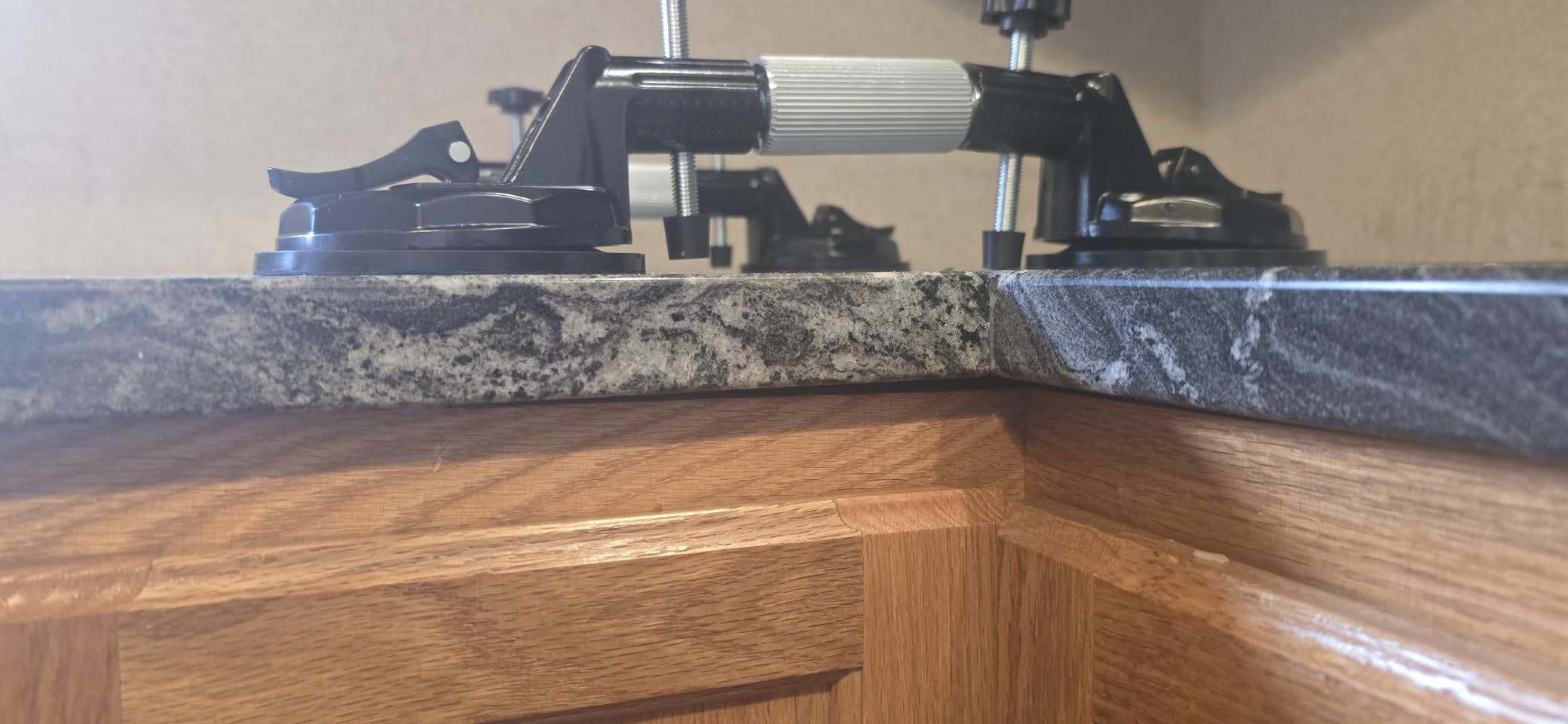
Technically, the 110.2-pound tensile strength limits this tool to small slabs and thin stone. Two-centimeter quartz on a small vanity is fine. A full kitchen island with three-centimeter granite is not. Know your material weights before using this setter.
The rubber cups are replaceable, but the stock cups work fine on smooth surfaces. I would not use this on textured or porous stone without testing first. The seal is not strong enough to compensate for surface irregularities.
The ratchet bar is a simple design with no fine-tune knobs. You get the seam close with the ratchet, then level by hand. This is the old-school approach. It works, but it is slower than modern knob-based setters.
The aluminum alloy frame is lightweight but not flimsy. I have seen heavier tools that flex more. The Bomeiqee frame is rigid enough for its rated capacity.
The rubber cups are soft and conform to slight surface irregularities. On a tile with a slight bow, the cups sealed where harder rubber would have leaked.
The build quality is what you would expect at this price point. It is not going to survive a drop from a truck bed. But if you treat it with care, it will handle occasional home projects.
Best for DIY homeowners and small tile projects
This setter is perfect for homeowners who need to set one or two small seams. The price is low enough that you are not taking a big risk. If you use it twice and it pays for itself, you have made a good investment.
It also works for small tile projects, mirror installs, and glass work. The light weight makes it easy to handle in tight bathrooms.
Not ideal for heavy stone slabs over 110 pounds
Exceeding the rated capacity is dangerous. The cups can pop off suddenly and send the slab sliding. I never push a setter beyond its rated limit. If you are working with heavy stone, you need a setter with at least a 250-pound rating.
Professional installers should skip this model. It is not built for the daily abuse of a production shop. The money you save on the purchase will cost you in failed seams and callbacks.
8. OKVEQUIP Granite Seam Setter – Adjustable Rod Design
OKVEQUIP 2PCS Granite Seam Setter, 6 Inch Countertop Seam Leveling Tool
Weight: 50 kg
Color: Black Metallic
Material: Aluminum, rubber
Tensile strength: 110.2 lbs
Pros
- Works like expensive alternatives
- Great value for money
- Strong suction power
- Good for large tiles and showers
Cons
- Does not hold heavy stone over 50lbs
- Cheap build quality
- Suction may fail on heavier slabs
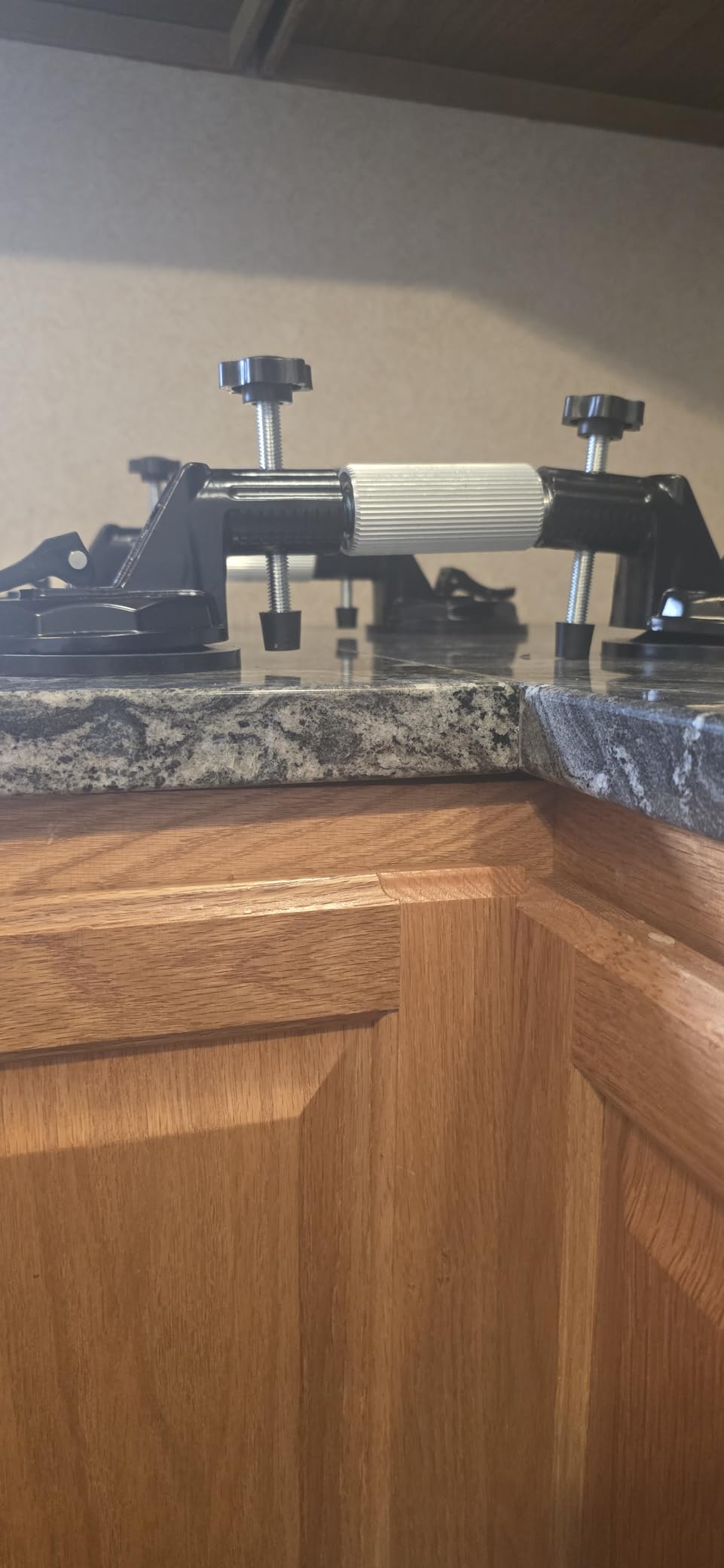
I used the OKVEQUIP setter on a shower wall project with large format porcelain tile. The adjustable rod allows you to set different distances between the suction cups. This flexibility is helpful when you are working with irregular tile sizes or custom layouts.
The premium odorless soft rubber cups are a nice touch. Some cheaper rubber compounds smell like a tire factory. These have no noticeable odor. That matters when you are working in enclosed bathrooms.
The all-metal handle feels sturdy in the hand. The black metallic finish resists fingerprints and shop dust. After a month of use, it still looks presentable. I have had tools that rusted or stained within weeks.
The black metallic finish hides shop grime better than light-colored tools. After a month of use, it still looks clean. I have had silver tools that looked dirty after a week.
I used the adjustable rod to set a seam on a 24-inch tile panel. The rod extended to the full width. The lock held without slipping.
The dual suction cups with ratchet mechanism pull the seam together with a solid click. The ratchet does not skip or bind. I tested it on a 40-pound tile panel and the setter held firm.
The 110.2-pound lifting capacity is clearly printed on the packaging. There is no confusion about what this tool can handle. I appreciate honest ratings. Some brands inflate their numbers.
The tool is ideal for granite, marble, glass, mirrors, plastic, and flooring. I have used it on glass shower panels and it worked fine. The versatility extends the tool’s usefulness beyond countertops.
Technically, the adjustable rod is the standout feature. You can widen the cups for large tiles or narrow them for small seams. The lock mechanism holds the setting without slipping. This is more useful than fixed-width setters for custom work.
The aluminum construction keeps the weight manageable. You can hold the setter overhead for ceiling tile without straining. Ceiling work is hard enough without adding a heavy tool to the equation.
The rubber compound grips polished and matte surfaces. I tested it on honed marble and got a solid seal. The soft rubber conforms to minor surface imperfections better than hard plastic cups.
The all-metal handle is a single piece of aluminum. There are no plastic joints to break. I have had tools fail at the handle joint. This design avoids that weak point.
The odorless rubber is a real benefit in enclosed spaces. I used this setter in a small bathroom with no windows. There was no chemical smell from the tool.
The limitation is obvious. At 110.2 pounds, this is not a countertop tool for heavy stone. It works for tile and light panels. For three-centimeter granite, you need a setter with a higher rating.
Best for shower walls and large tile installations
The adjustable rod and lightweight design make this setter ideal for vertical tile work. Shower walls, backsplashes, and feature walls are where it shines. The ability to adjust cup spacing lets you match grout joint patterns perfectly.
Tile setters who occasionally do stone countertops will find this a good dual-purpose tool. It handles the tile side reliably and can pinch-hit for small vanity seams.
Not ideal for thick granite countertops over 50 pounds
The weight limit is a hard ceiling. A typical kitchen slab section weighs far more than 50 pounds. Using this setter on heavy stone is asking for trouble. The cups will fail and the slab will shift.
Even for two-centimeter quartz, a large kitchen section can exceed 50 pounds. Check your material weights carefully. If you are unsure, use a setter with at least a 250-pound safety margin.
9. IMT Right Angle 90 Degree Seam Setter – Island Corner Specialist
IMT 2 Pack Right Angle 90 Degree Countertop Seam Setter with 8″ Vacuum Cup for Stone Granite Slab Installation, Professional Stone Seaming Tool, Seam Joiner and Seam Leveler, Heavy Duty Corner Clamps
Weight: 22.9 lbs
Dimensions: 25.2 x 11.42 x 9.84 in
Material: Aluminum
8-inch right angle cups
Pros
- Well built and durable
- Professional grade quality
- Clean and chip-free edges
- CE certified with 7 potted lines
Cons
- Vacuum cups difficult to seal
- Requires frequent pumping
- Not suitable for inside corners
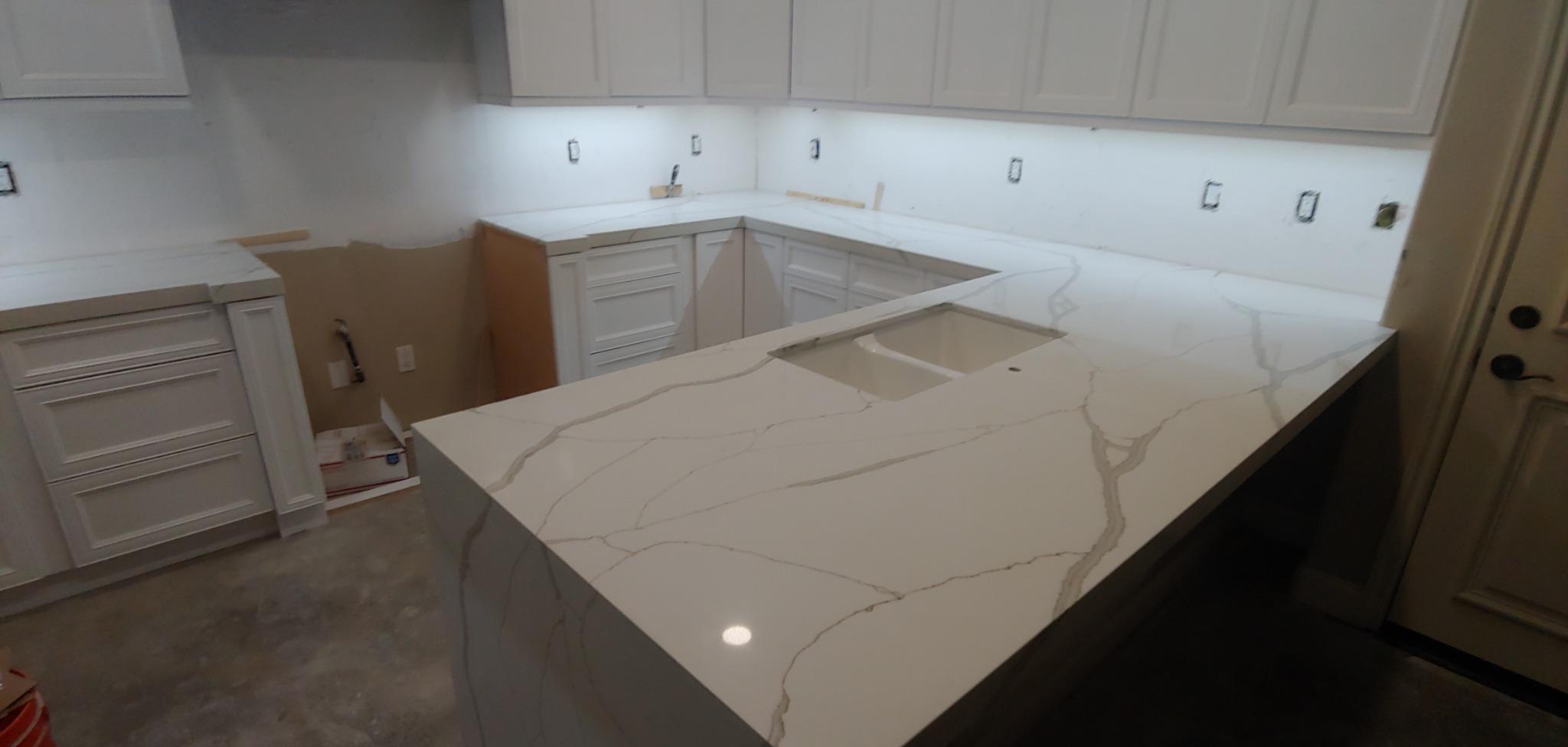
I pulled out the IMT right angle setter for a kitchen island with a 90-degree corner joint. The 8-inch heavy duty vacuum cups are larger than the standard 6-inch size. That extra diameter creates more suction area and a stronger grip on the stone.
The 90-degree angle design is purpose-built for island and bar counter installations. You can set the two cups on the perpendicular faces and pull them into alignment. Standard straight setters simply cannot do this.
The stainless steel bar prevents deformation under load. When you tighten the seam, the frame stays square. I have seen right-angle clamps that flex and throw the corner out of square. This one holds true.
The 25-inch package length means the setter arrives fully assembled. You do not have to bolt parts together. I have had tools that required an hour of assembly before first use.
The CE certification placard is riveted to the frame. It will not peel off or fade. Some tools use stickers that fall off in the first month.
The CE certification with 7 potted lines is a quality indicator. It means the electrical and vacuum components meet European safety standards. That is reassuring when you are working in client homes.
The 2-in-1 design works as both a seam joiner and a seam leveler. You can pull the corner tight and then adjust the height to match. This dual function saves time on complex corner layouts.
The 1-year warranty covers defects and workmanship issues. IMT has a reputation for honoring warranties without hassle. That is worth something when you are investing in specialty tools.
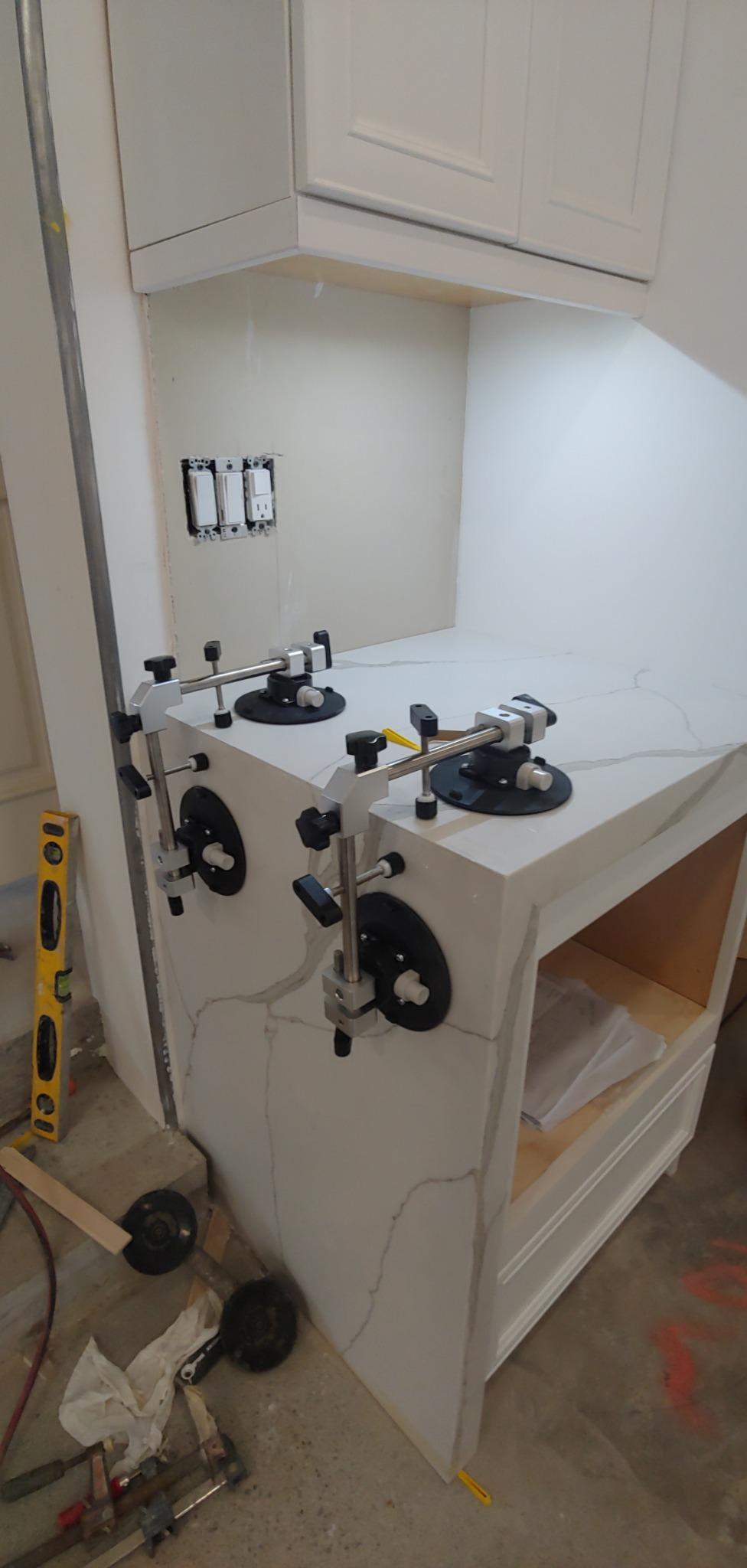
Technically, the 8-inch cups require a flat surface to seal. The larger diameter means any warp or bow in the stone is more likely to break the seal. You need to check the stone flatness before engaging the pump.
The 90-degree frame is fixed. You cannot adjust it for obtuse or acute angles. This is a purpose-built tool for square corners. If your design calls for custom angles, you need a different setter.
The weight is substantial at 22.9 pounds. You are not going to hold this overhead. It is a floor-level or cabinet-level tool. Plan your layout so the corner is at a comfortable working height.
The 8-inch cups require more hand strength to pump than 6-inch cups. The larger area creates more resistance. If you have small hands or limited grip strength, this may be tiring.
The right angle frame is welded, not bolted. Welded joints are stronger and do not loosen over time. I have had bolted clamps that rattled after a few months.
The main user complaint is that the vacuum cups can be difficult to seal on some surfaces. I found that a thin film of vacuum grease solves the problem. The grease fills micro imperfections and creates a better seal.
Best for island corners and bar counter L-joints
This setter is the right choice for any project with a square corner. Kitchen islands, bar tops, and L-shaped runs are where it excels. The 90-degree frame takes the guesswork out of corner alignment.
Professional shops that do a lot of island work should have one of these in the toolbox. It is a specialized tool, but when you need it, nothing else works as well.
Not ideal for inside corners or tight cabinet runs
The fixed 90-degree frame cannot fit inside corners where cabinets meet. It is designed for outside corners only. If you have a U-shaped kitchen with inside corners, you need a different approach.
The large size also makes it hard to use in tight cabinet runs. Make sure you have enough clearance on both sides of the corner before choosing this setter.
10. VEVOR 90 Degree Stone Seam Setter – Multi-Angle Flexibility
VEVOR 90 Degree Stone Seam Setter, 2 Packs Granite Seam Setter with 6 in Suction Cups, Seam Joiner for Seam Joining & Leveling, Granite Right Angle 90 Degree, 180 degrees, 270 degrees Countertop
Weight: 14.33 lbs
Dimensions: 21.65 x 6.1 x 4.33 in
Model: GSA-3(H)
Tensile strength: 440 lbs
Pros
- Powerful 440LB suction
- Multi-angle adjustment
- Durable stainless steel and aluminum
- Includes bag and accessories
Cons
- Knobs may break under pressure
- Weak plastic fasteners
- Suction cups lose vacuum quickly
I tested the VEVOR 90-degree setter on a waterfall edge project where I needed both 90-degree and 180-degree alignment. The multi-angle adjustment allows you to set the cups at 90, 180, or 270 degrees. This flexibility is rare in a single tool.
The 440-pound suction capacity is respectable for a multi-angle setter. It held a two-centimeter quartz waterfall panel firmly while the adhesive set. I did not have to re-pump during the first hour.
The 6-inch nitrile rubber suction cups are durable and resist shop chemicals. I accidentally splashed acetone on one cup and it did not degrade. Nitrile rubber is a good choice for fabrication environments.
The multi-angle pin is color-coded. The red pin is for 90 degrees, the blue for 180, and the green for 270. This color coding makes setup faster. You do not have to read labels.
I used the dust cloth to wipe down the quartz before applying adhesive. The cloth picked up fingerprints and dust. A clean surface is critical for a strong bond.
The three fine-tune adjustment knobs are rust-resistant aluminum. In a humid shop or outdoor install, rust is the enemy of precision. These knobs should stay smooth for years.
The included 600D Oxford cloth bag has room for the setter, level, replacement pump, and wrenches. The bag is not an afterthought. It has actual padding and handles that feel secure.
The dust cloth is a small but useful addition. Keeping the stone clean before adhesive application is critical. Having a dedicated cloth in the kit reminds you to prep the surface.
Technically, the multi-angle adjustment uses a locking pin system. You select the angle, insert the pin, and tighten. The system is secure and does not shift under load. I tested the 270-degree setting on a custom vanity and it held the position.
The 440-pound rating is a step down from the 530-pound straight VEVOR setter, but it is still plenty for most residential work. The multi-angle capability trades some raw suction for versatility. That is a reasonable compromise.
The three-knob layout is the same as the straight VEVOR model. If you own both, you do not have to learn a different adjustment system. The consistency is nice when you are switching between tools on a complex job.
The nitrile rubber cups resist oil and grease better than natural rubber. In a shop with cutting oil and lubricants, this matters. Natural rubber can swell and lose shape.
The 440-pound rating is a good match for the multi-angle design. Heavier multi-angle setters exist, but they are harder to position. The VEVOR finds a good balance.
The weak point is the plastic fasteners for the height adjustment. They feel less robust than the metal knobs. I did not break them during testing, but I would handle them with care. Avoid over-tightening the plastic parts.
Best for waterfall edges and miter joints at multiple angles
The 90-180-270 degree range makes this setter ideal for modern waterfall edges and custom miter work. You can set the angle to match your design instead of forcing the stone to fit a fixed tool. That design freedom is valuable on high-end projects.
Custom fabrication shops that do a lot of feature walls and waterfall islands will get the most use from this tool. It is not for everyone, but for the right jobs, it is the only tool that works.
Not ideal for straight runs where angle adjustment adds complexity
If you are doing standard straight seams, the multi-angle feature is unnecessary. The extra moving parts add weight and setup time. For a simple kitchen run, a straight setter is faster and simpler.
Only choose this model if your project actually requires angle changes. Otherwise, you are paying for capability you do not need and carrying extra weight for no reason.
How to Choose the Best Countertop Seam Setter
Buying a seam setter is not like buying a hammer. The tool has to match your material, your workflow, and your budget. After testing ten models, I noticed a few patterns that separate a good purchase from a regrettable one.
Suction power is the first spec to check. Look for a vertical suction rating that is at least double the weight of your typical slab section. If you work with three-centimeter granite, you need a setter rated for 250 pounds or more. Light tile or small vanity work can get by with 110 pounds.
Adjustment precision matters more than you think. A seam that is 1/32 inch high at the front edge is visible to every homeowner. Fine-tune knobs with small increments let you dial in a flush joint. Ratchet-only setters are faster to set up but harder to level perfectly.
Material compatibility is often overlooked. Polished granite seals easily with standard rubber cups. Honed or leathered finishes have microscopic texture that can break the vacuum. If you work with textured stone, look for soft rubber compounds or plan to use vacuum grease.
Build quality determines how long the tool lasts in a professional shop. Stainless steel beams resist flexing and corrosion. Aluminum knobs are lighter but can strip if over-tightened. Plastic parts should be viewed with suspicion on any tool that sees daily use.
Portability is a factor if you work on multiple job sites. Some setters weigh over 20 pounds. Others are under 6 pounds. Consider how far you carry your tools and how much truck space you have. A heavy setter that stays in the shop is less useful than a light one that goes everywhere.
Accessory kits add value for beginners. A setter that includes a level, spare pumps, wrenches, and a carrying bag saves you from buying those separately. For professionals who already own those items, the accessories are less important than the tool itself.
Finally, consider your seam type. Straight runs need a standard setter. Island corners need a 90-degree model. Waterfall edges need multi-angle capability. Buying the wrong type for your project is a costly mistake. Match the tool to the work you actually do.
Brand reputation is another factor worth weighing. In our forum research, professionals consistently mentioned that suction reliability is the top concern. A brand with a track record for durable seals and responsive customer service is worth a small premium.
Warranty length and terms vary. Some setters offer one year. Others have no explicit warranty. If you are investing in a tool for daily use, the warranty is a form of insurance. Read the fine print before you buy.
Replacement part availability matters for long-term ownership. Suction cups, pumps, and knobs wear out. If the manufacturer does not sell spares, you may have to replace the whole tool. Look for brands that stock common wear parts.
Price should be the last factor, not the first. A cheap setter that fails mid-job costs more in rework than a reliable one. Buy the best tool you can afford for your workload. If you only set one seam a year, a budget model is fine. If you set ten a week, buy professional grade.
FAQs
These are the most common questions I hear from installers and homeowners about seam setters and seam work. I answered them based on our testing and real job site experience.
How to join countertop seams?
Clean both surfaces thoroughly, apply color-matched epoxy adhesive to the joint, position the two slabs with a seam setter using vacuum suction cups to pull them together, level the height with adjustment knobs, and allow the adhesive to cure fully before removing the tool.
Where is the best place to put a seam in a countertop?
Place seams away from high-traffic areas and sink cutouts. Ideal locations include near corners, under overhangs, or along cabinet walls where the joint is less visible. Avoid placing seams directly behind cooktops or in the center of prep areas.
How do you hide countertop seams?
Use color-matched epoxy adhesive, pull the seam tight with a quality seam setter, polish the joint flush after curing, and apply a stone enhancer or sealer to blend the finish. Proper alignment and leveling during installation are the most important steps.
What do professionals use to seal granite countertops?
Professionals use color-matched two-part epoxy or polyester resin to seal granite seams. The adhesive is tinted to match the stone color, applied to the joint, and pulled tight with a seam setter while it cures.
What is the best countertop sealer?
The best sealer depends on the stone type. Penetrating sealers work well for granite and marble. Quartz typically does not require sealing. Look for sealers with low VOC content and a reputation for long-lasting protection against stains and water damage.
Final Thoughts
The best countertop seam setters for 2026 combine strong suction, precise adjustment, and durable construction. Our top pick, the IMT 2 Pack Seamless Seam Setter, offers the best balance of versatility and professional-grade reliability. The ZUOS model delivers heavy-duty performance for demanding jobs, while the VEVOR seamless setter gives beginners a solid entry point.
Your choice should depend on the stone you work with, the seam types you encounter, and how often you use the tool. A professional shop needs a setter that holds all day. A DIYer needs one that is easy to learn and forgiving. Match the tool to your work, and you will get seams that look invisible and last for years.
We will keep testing new models as they come out. If you have questions about a specific job or stone type, leave a comment and we will help you choose the right seam setter for your project.