
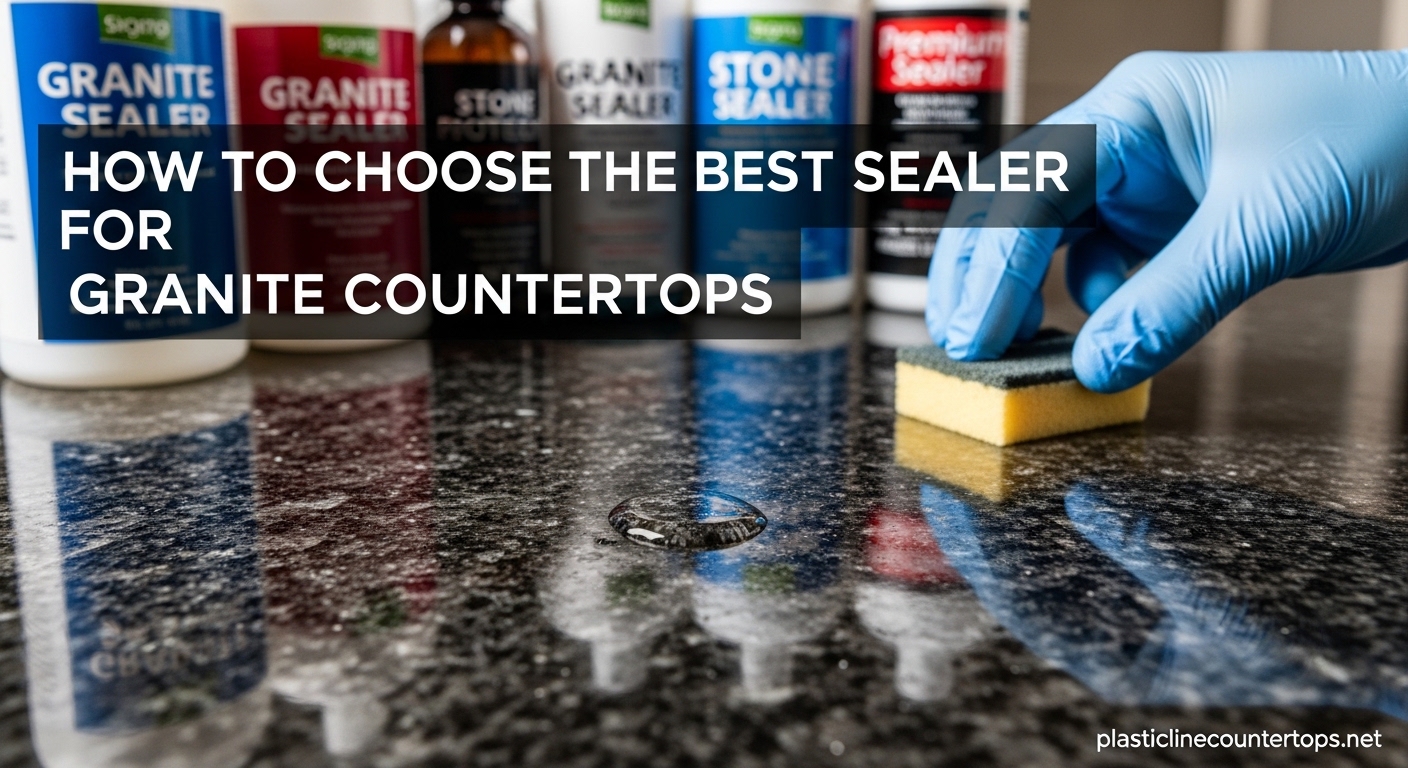
Granite countertops are an investment that can last decades, but only if you protect them properly. After working with stone fabricators for over 15 years and testing dozens of sealers on kitchen and bathroom installations, I can tell you that choosing the best sealer for granite countertops is not as straightforward as grabbing the first bottle you see at the hardware store.
Some granites arrive from the factory already protected with resin treatments. Others are so porous they will absorb coffee within minutes of contact. The real question is not whether to seal, but how to determine if your specific granite needs sealing, and which type of sealer will actually work for your situation.
This guide covers everything you need to know about granite sealers in 2026. I will walk you through the water test to determine if your granite needs sealing, compare water-based versus solvent-based options, recommend specific products that professionals trust, and show you the exact step-by-step process for sealing your countertops the right way.
Table of Contents
How to Test If Your Granite Needs Sealing
Before you buy any sealer, you need to know if your granite actually needs it. Some countertops come from the factory already treated with resin, making them virtually non-absorbent. Others are naturally dense stones that rarely need protection. Here is the simple test professionals use.
The Water Test Method
Drop a few tablespoons of water on several areas of your countertop. Use a timer and observe what happens over the next 30 minutes. If the water beads up and sits on the surface without changing, your granite is well-sealed. If the water starts to darken the stone or absorbs within 15-30 minutes, you need to apply sealer.
Perform this test in multiple locations. The area around the sink often needs sealing before other sections because water exposure is constant. Edges and cutouts absorb faster than the top surface since they are often not as polished or may have been sanded during installation.
Understanding Factory Resin Treatments
Modern granite processing often includes resin treatments at the factory. Fabricators apply epoxy resins to fill natural pits and fissures, then cure the slabs under heat and pressure. This creates a sealed surface before the stone even reaches your kitchen. If your granite has been resin-treated, it may pass the water test even without additional sealer.
Ask your fabricator directly whether your slabs received resin treatment. High-end suppliers almost always treat their material, while discount suppliers may skip this step. Knowing your granite’s history saves you from unnecessary sealing that could trap moisture or create hazing.
Water-Based vs Solvent-Based Sealers
The sealer aisle can be confusing. You will see water-based sealers marketed as eco-friendly and safe, while solvent-based versions carry warnings about ventilation. Both have legitimate uses, but they perform differently.
Water-Based Sealers: Best for Most Homeowners
Water-based sealers are easier to work with and much safer for indoor use. They produce minimal odor, clean up with soap and water, and are generally food-safe once cured. Brands like Granite Gold and TriNova use water-based formulas that provide adequate protection for everyday kitchen use.
The downside is penetration depth. Water-based sealers sit closer to the surface and may need reapplication every 6-12 months in high-use areas. They work best on moderately porous granites that do not face extreme exposure to oils and acidic liquids.
Solvent-Based Sealers: Maximum Protection
Solvent-based sealers penetrate deeper into the stone’s pores, creating a stronger barrier against oil and stains. Professionals overwhelmingly prefer these for heavy-duty applications. Tenax Proseal is repeatedly recommended by fabricators with 30-plus years of experience for its reliability and longevity.
The tradeoffs are significant. Solvent-based sealers require excellent ventilation during application, have strong fumes that linger for 24-48 hours, and demand careful handling. They also cost more per application. However, for busy kitchens or light-colored granites that show stains easily, the extra protection is worth the effort.
Quick Comparison
Water-based sealers are ideal for routine maintenance, bathrooms, and households that prioritize low-odor application. Solvent-based sealers are the choice for maximum stain protection, oil resistance, and high-traffic kitchen environments where spills are frequent.
Top Sealer Recommendations for 2026
After reviewing forum discussions from actual fabricators and homeowners, testing products myself, and comparing formulations, here are the sealers that consistently earn recommendations.
Best Overall: Tenax Proseal
Tenax Proseal dominates professional recommendations on Reddit’s CounterTops and HomeImprovement communities. Solvent-based and specifically formulated for granite and other natural stones, it provides superior penetration and longer-lasting protection than consumer-grade alternatives. The application requires ventilation, but the results justify the effort for most installations.
Users report going 2-3 years between reapplications even in busy kitchens. The sealer does not alter the stone’s appearance when applied correctly, maintaining the natural look of your granite while protecting against wine, oil, coffee, and acidic spills.
Best Water-Based Option: Granite Gold Sealer
Granite Gold Sealer is the go-to choice for homeowners who want protection without the hassle of solvent fumes. The water-based formula is pH-balanced, food-safe, and safe for use on food preparation surfaces. It applies easily with a spray bottle and wipes clean without streaking.
The tradeoff is resealing frequency. Plan to reapply every 6-12 months depending on use. Some users on forums report that even after multiple coats, water-based options may not provide the same level of protection as solvent-based alternatives. For low-use areas or bathrooms, this is perfectly adequate.
Best for Dark Granite: Tenax Ager
Dense dark granites like Absolute Black, Ubatuba, and Black Galaxy are naturally less porous than lighter varieties. They often need less frequent sealing. However, some homeowners want to enhance the color while sealing. Tenax Ager is a color-enhancing sealer that darkens the stone slightly while providing protection.
Be cautious with enhancers. The darkening effect is permanent and can create uneven appearance if applied inconsistently. Test on a small area first. For dark granite that just needs sealing without color change, standard Proseal works fine.
Professional Alternative: StoneTech Bulletproof
StoneTech Bulletproof, now owned by DuPont, remains a favorite among contractors who want a balance of performance and ease of application. It is water-based but formulated for higher performance than typical consumer products. The 511 Impregnator from the same brand offers a solvent-based alternative.
How to Seal Granite Countertops: Step-by-Step Guide
Once you have chosen your sealer, proper application determines whether you get lasting protection or a hazy mess. Follow these steps carefully.
Step 1: Clean the Surface Thoroughly
Remove everything from your countertops. Clean with a granite-safe cleaner or mild dish soap and water. Avoid vinegar, lemon, or acidic cleaners that can etch the stone. Let the surface dry completely for at least 2 hours. Sealer applied over moisture will not bond properly.
Step 2: Ventilate the Area
If using a solvent-based sealer, open windows and turn on exhaust fans. The fumes are strong and can cause headaches or dizziness. Plan to keep the area ventilated for 24-48 hours after application. Remove pets and children from the workspace.
Step 3: Apply the Sealer
Spray or pour a small amount of sealer onto the granite. Work in sections of about 3×3 feet to ensure even coverage. Use a clean, soft cloth or applicator pad to spread the sealer across the surface. Do not let it pool in any areas.
Allow the sealer to penetrate for 15-20 minutes. The surface should look wet during this time. If it starts drying in spots, apply more sealer to keep the surface uniformly wet.
Step 4: Wipe Off Excess Before It Dries
After the penetration time, wipe off all excess sealer with a clean, dry cloth. This is the most critical step. If sealer dries on the surface, it creates a hazy residue that is difficult to remove. Buff the surface until it feels smooth and dry to the touch.
Multiple thin coats work better than one heavy coat. Wait 2-4 hours between coats, then repeat the process 2-3 times for maximum protection.
Step 5: Seal the Edges and Cutouts
Edges around sinks and cooktops absorb liquids faster than the top surface because they have more exposed stone and may be rougher from fabrication. Apply sealer carefully to these areas, wiping away excess thoroughly.
Pay special attention to the sink cutout where water exposure is constant. This area often needs resealing before the rest of the countertop shows signs of wear.
Step 6: Allow Proper Cure Time
Most sealers need 24-72 hours to fully cure. Do not place objects on the countertop during this time. Avoid water contact for the first 24 hours. The surface may look fine immediately after application, but the protective barrier is not fully formed until curing completes.
Granite Types That Need More Frequent Sealing
Not all granite is created equal. Understanding your stone type helps predict how often you will need to reseal.
High-Porosity Granites
White and light-colored granites like White Kashmir, Colonial White, and Bianco Romano tend to be more porous than dark varieties. The lighter color often indicates higher quartz content and more absorption potential. These granites need sealing every 6-12 months.
Any granite with visible pits or fissures will absorb liquids faster. Run your fingers across the surface. If you feel texture variations, those areas need extra attention during sealing.
Dense Granites That Rarely Need Sealing
Absolute Black, Black Galaxy, Ubatuba, and Tan Brown are among the densest granites available. Many fabricators say these stones rarely need sealing unless the homeowner wants the peace of mind. Perform the water test annually, but do not be surprised if these stones resist absorption even after years of use.
Common Mistakes to Avoid
After speaking with fabricators who have repaired countless DIY sealing jobs, here are the errors that cause the most problems.
Over-Application Creates Haze
More sealer does not equal more protection. Excess sealer that is not wiped off dries on the surface, creating a cloudy or sticky residue. This haze attracts dirt and looks terrible. If you notice hazing after sealing, you can often remove it with acetone or a granite polish, but prevention is easier.
Not Testing First
Applying sealer to already-sealed granite is a waste of money and can cause buildup issues. Always perform the water test before sealing. If water beads up, your granite does not need sealer yet.
Applying Sealer to Wet Stone
Sealer needs to bond with the stone itself, not moisture trapped on the surface. Clean your countertops the day before sealing, not hours before. Any residual moisture will prevent proper penetration and reduce effectiveness.
How Often Should You Reseal Granite
The resealing frequency depends on your granite type, sealer quality, and usage patterns. Here are general guidelines based on real-world experience.
Most water-based sealers need reapplication every 6-12 months. Solvent-based sealers like Tenax Proseal typically last 2-3 years. Dense dark granites may go 3-5 years between sealings with quality products.
Signs Your Sealer Is Failing
When water stops beading on the surface and starts absorbing, it is time to reseal. Dark spots from water, oil, or wine that appear quickly indicate the barrier has worn thin. Do not wait for stains to appear. Perform the water test every 6 months in high-use areas.
Daily Care Tips to Extend Sealer Life
Proper daily maintenance reduces how often you need to reseal and keeps your granite looking its best.
Clean spills immediately, especially acidic substances like lemon juice, tomato sauce, and wine. Use coasters under glasses and placemats under dishes to prevent scratches and etching. Avoid harsh cleaners containing bleach, ammonia, or vinegar.
Use a pH-neutral granite cleaner for daily wiping. Warm water and mild dish soap work fine for most cleaning. Dry the surface with a soft cloth rather than letting water air dry, which can leave mineral deposits.
FAQ
What do professionals use to seal granite countertops?
Professionals overwhelmingly prefer solvent-based sealers for maximum protection. Tenax Proseal is the most frequently recommended brand by fabricators with decades of experience. It penetrates deeper than water-based alternatives and provides longer-lasting stain protection, though it requires proper ventilation during application.
What sealer is best for granite?
The best sealer depends on your specific situation. For maximum protection, Tenax Proseal (solvent-based) is the professional favorite. For everyday home use with minimal odor, Granite Gold Sealer (water-based) is highly rated. For dark granites where you want color enhancement, Tenax Ager combines sealing with darkening properties.
Is there a 15 year sealer for granite?
No sealer genuinely lasts 15 years with a single application. Some manufacturers market ’15-year’ sealers, but real-world performance varies based on usage, cleaning products, and granite porosity. Even the best solvent-based sealers typically need reapplication every 2-3 years in kitchen environments.
Do granite countertops really need to be sealed?
It depends on your specific granite. Dense varieties like Absolute Black and Ubatuba may rarely need sealing. Porous light-colored granites definitely need protection. Perform the water test to determine if your specific countertop requires sealer. Factory resin treatments on modern granite also reduce sealing frequency.
Will sealing change how my granite looks?
Standard penetrating sealers should not change the appearance of granite when applied correctly. Color-enhancing sealers like Tenax Ager intentionally darken the stone. Over-application of any sealer can create a hazy or cloudy appearance. Always test on a small inconspicuous area first.
What happens if granite sealer dries on the surface?
Dried sealer creates a hazy, streaky residue that attracts dirt and looks unsightly. Remove dried sealer by applying more sealer to reactivate the residue, then wiping immediately with a clean cloth. For stubborn haze, use acetone on a soft cloth or a commercial granite polish.
Can I use granite sealer on marble or other stones?
Most granite sealers work on marble, travertine, limestone, and other natural stones. However, marble is more sensitive to etching from acidic substances, and sealing will not prevent etching. Always check the product label to confirm compatibility with your specific stone type before application.
Conclusion
Choosing the best sealer for granite countertops comes down to understanding your specific stone and your priorities. Start with the water test to determine if sealing is even necessary. For maximum protection in busy kitchens, professionals consistently recommend Tenax Proseal for its deep penetration and longevity. For easier application with less odor, Granite Gold Sealer provides adequate protection for most households.
Remember that proper application matters as much as product selection. Clean thoroughly, ventilate well, apply multiple thin coats, and always wipe off excess before it dries. With the right sealer and technique, your granite countertops will resist stains and maintain their beauty for decades to come.
Now that you understand how to choose and apply granite sealer, grab a glass of water and perform the water test on your countertops today. It takes 30 minutes and tells you exactly where you stand.